
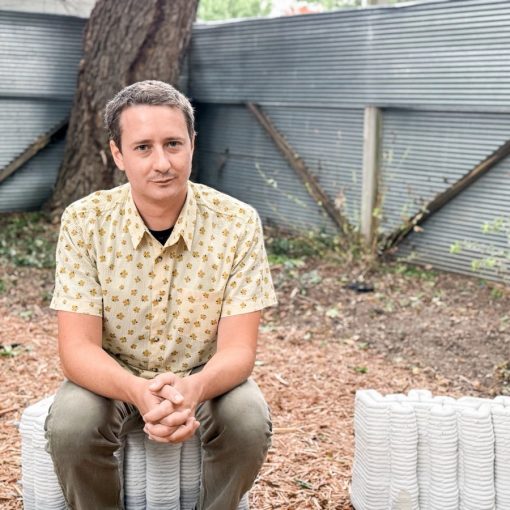
Kansans without tornado shelters could soon find safety in 3D-printed structures
3D-printed concrete blocks could help build severe weather shelters in places like manufactured home communities. K-State is developing the technology.

3D-printed concrete blocks could help build severe weather shelters in places like manufactured home communities. K-State is developing the technology.
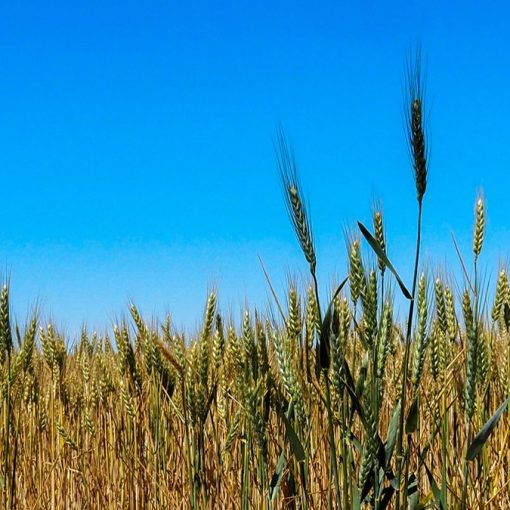
Kansas is on course for its smallest winter wheat harvest since the 1950s because of drought and freezes. A July report shows the state’s farmers are expected to produce almost half the number of bushels they did at the same time last year.
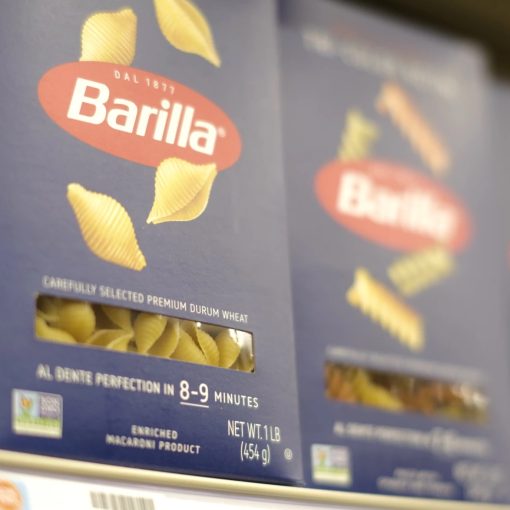
A new type of wheat dotting Kansas fields has a special use: making pasta. Wheat acres have continuously declined in Kansas. The noodle-focused wheat variety could change that.

K-State University and Habitat for Humanity are working on an affordable house in Ogden, Kansas, that will use hemp insulation to keep its residents warm in winter and cool in summer.

This past semester, K-State relaunched the nuclear engineering major that it discontinued in 1996. It has already attracted more than 50 students.
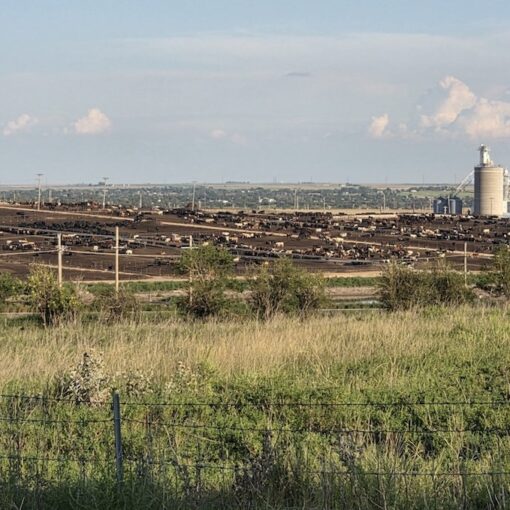
The head of the U.S. Department of Agriculture said the agency would roll out a relief plan for the country’s agriculture sector in December, offering potential good news in a year of uncertainty for Kansans.
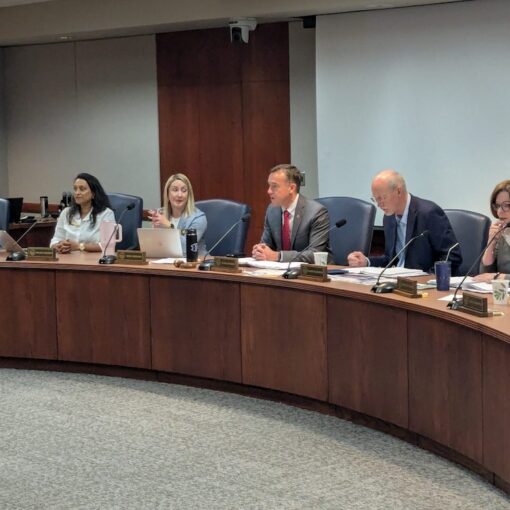
The Kansas Board of Regents paused review of a proposal from K-State to offer a bachelor’s degree in uncrewed aircraft systems that necessitated waiver of state policy mandating 120 hours of course credit to earn an undergraduate degree.

The federal government has not reimbursed K-State for about $1 million in expenses related to its work on global food security. The cuts also affect hundreds of students abroad who were recruited to advance agriculture in their countries.
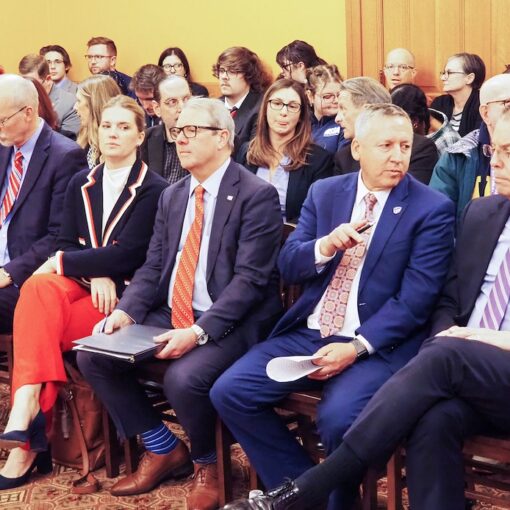
Academic leaders of KU and K-State said legislation retroactively abolishing property rights inherent in tenure would run off distinguished educators, undercut faculty recruiting, destroy research programs, trigger an exodus of students and deliver a devastating blow to the state’s economy.
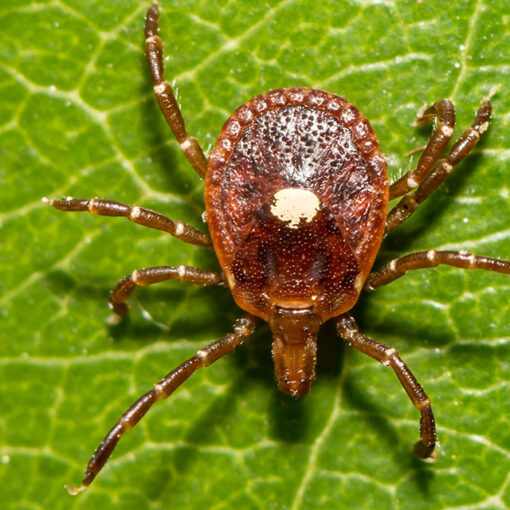
Researchers at Kansas State University say the number of cases of an allergic reaction to red meat tied to tick bites is increasing across the state.