

Haskell Indian Nations University will soon boast a new, multimillion-dollar health facility on the northeast corner of the campus that will drastically expand educational opportunities for students and healthcare for the local Native community.
“A lot of times, people think that Indian country is very steeped in traditions, and they equate that to only thinking of how we are in the past,” said Alex Red Corn, Osage Nation, interim Haskell president. “And we have our cultures and traditions that come from the past, but Indian Country is very forward thinking and very innovative in a lot of ways that are not visible.”
The new health facility, to Red Corn, will be a visible symbol of that innovation.

It is born of a partnership between the university and the federal Indian Health Service program, and it will be built on an undeveloped parcel of land north of the campus’s football stadium and softball field, and south of 23rd Street.
The current Haskell Indian Health Center at 2415 Massachusetts St. is managed by IHS. Once the new facility is constructed, the original will be turned over to the university for classroom space.
Shannon Lowe, Haskell Indian Health Center CEO, said the original facility was constructed in the 1970s. Healthcare standards have changed drastically since then, and the building’s 20,000 square feet are no longer sufficient.
“Current planning indicates that approximately 60,000 square feet is needed to accommodate existing services, and even more space is needed to enhance privacy and provide additional services, which is not possible in the current facility,” she said in emailed responses to interview questions.
Don’t miss a beat … Click here to sign up for our email newsletters
Click here to learn more about our newsletters first
The new center will host a drive-thru pharmacy, imaging and ultrasound machines, audiology services and an expanded clinic for eyeglasses. It will also offer culturally sensitive healthcare to Haskell students and community members enrolled in federally recognized tribes, in line with federal and IHS policies.
Lowe said culturally informed care “recognizes the unique histories, cultures, traditions, and experiences that influence the health and well-being of our patients.” As a result, providers build patient trust and better health outcomes.
Please support
The Lawrence Times!
Subscribe here.
“It begins with listening respectfully to each patient’s beliefs, values, and health goals,” Lowe said. “It includes providing care that is respectful of cultural traditions, recognizing the importance of family and community when patients choose to involve them, and supporting traditional healing practices when appropriate and desired by the patient. It uses clear, respectful communication and avoids stereotypes, while recognizing the impact of historical trauma and practicing trauma-informed care.”
Stephanie Conduff, citizen of the Cherokee Nation and associate deputy director of post-secondary with the Bureau of Indian Education, said Native people need modernized healthcare facilities for early detection and diagnoses.
“As we continue to grow our abilities to meet early detection for different diseases, to be able to meet in a beautiful new space, to be able to have more focus on mental health and awareness, you’re going to see higher health outcomes,” she said. “You’re going to see longer times that we get to hold our Native people and to share that Indigenous knowledge and the lived experiences.”
Lowe said the new health center will support a Pathways Program, allowing high school, undergraduate and graduate level students to have paid, hands-on opportunities exploring healthcare, public health and federal work.
Haskell supports a broad intertribal student body pulling from hundreds of federally recognized tribes. Red Corn said the Pathways Program can give those students a chance to learn critical skills they can bring to their home communities, which may also have IHS clinics or BIE facilities.
Conduff said the program will also grow the school’s business leaders.
“That’s going to be management, facilities and maintenance, internship opportunities that focus on customer service,” she said. “We’re going to have them in HR, in dental programs, and sports medicine and physical therapy, so you’re going to see an immediate impact on campus.”
Haskell’s health degree offerings focus largely on sports and exercise science, but Red Corn hopes this will open the door to CNA or nursing/pre-nursing programs that can bridge students to graduate or medical programs in their home communities.
“It’ll be even more attractive that when we do new student orientation, we’re going to be able to say, ‘Did you know that you can go and get your A1C checked? Did you know that we are working out with the pool and we have an aerobics instructor from IHS? Or this is the new track?'” Conduff said. “I just think it’s going to lead to healthier outcomes, which … leads to healthier Native people, which leads to Indigenous knowledge and retention in so many other way.”
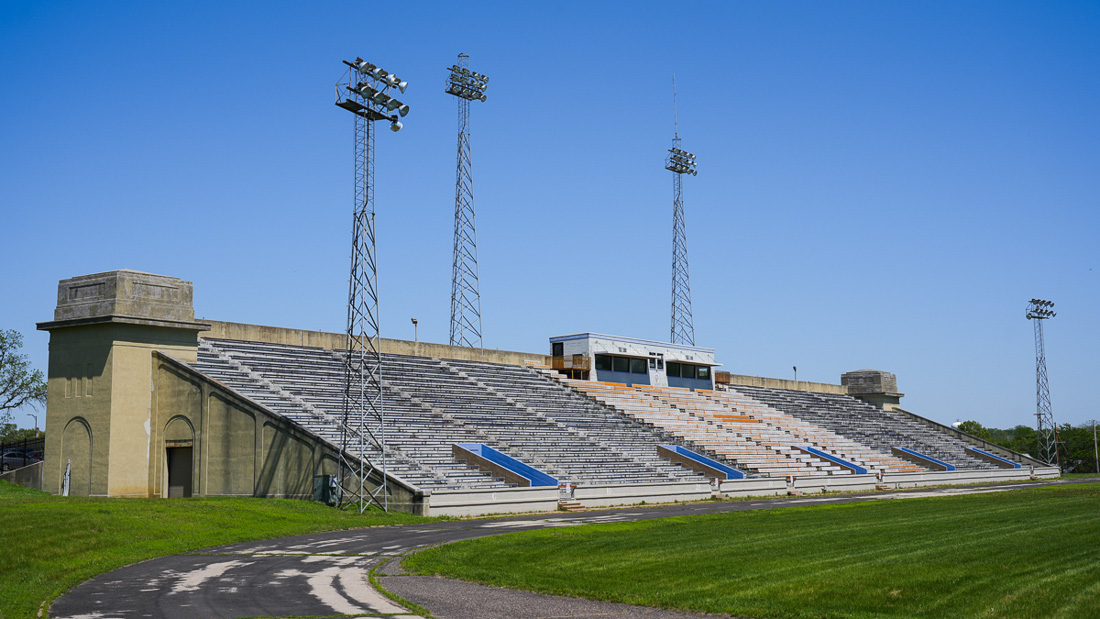
Red Corn pointed to ongoing conversations on campus to expand the community’s understanding of mental and physical health and wellness. Come September, Haskell will host a 100-year celebration of Haskell’s memorial arch and stadium.
“The future of the stadium is a health and wellness conversation, and recreation and things like that — not just a conversation about football,” Red Corn said.
“But everybody wants to see football back at Haskell, as well,” he added.
Lowe said the land transfer and initial planning will happen in the next year. The building will need to go through a federal approval process, but she anticipates the center will be constructed in three to five years.
If local news matters to you, please help us keep doing this work.
Don’t miss a beat — get the latest news from the Times delivered to your inbox:
Click here to learn more about our newsletters first

Wulfe Wulfemeyer (they/them), reporter and news editor, has worked with The Lawrence Times since May 2025. They can be reached at [email protected].
Read their complete bio here. Read their work for the Times here.
More coverage — Haskell Indian Nations University:
 Cuyler Dunn/Lawrence Times
 Wulfe Wulfemeyer/Lawrence Times
 Jacob Rice / Lawrence Times
Latest Lawrence news:
 Wulfe Wulfemeyer/Lawrence Times
 Wulfe Wulfemeyer/Lawrence Times