
Note: The Lawrence Times runs opinion columns and letters to the Times written by community members with varying perspectives on local issues. These pieces do not necessarily reflect the opinions of the Times staff.
Want to submit a letter or column to the Times? Great! Click here.
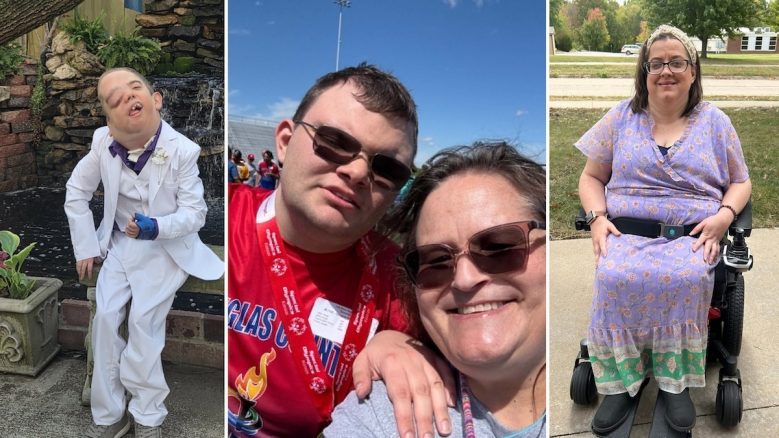
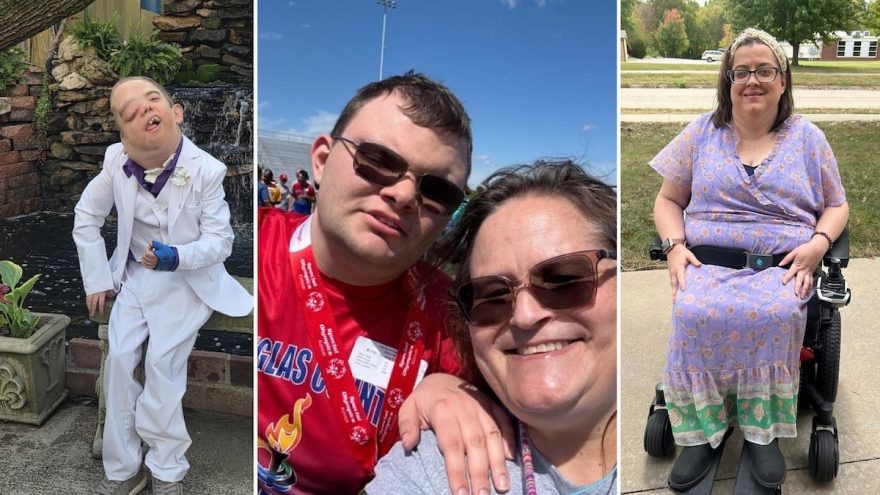
Like any mother, Lawrence resident Jane Fergus wants to continue to raise her son at home with the love and attention that all children deserve. Jane describes Frankie Fergus, 16, as a happy kid who loves YouTube music videos, school, and swimming.
However, Frankie’s home life is now threatened by the Trump administration’s June 18 advice to the Department of Justice arguing against the right of disabled people to live in the most integrated setting possible — their own homes. That right has been guaranteed by Section 504 of the 1973 Rehabilitation Act and by the 1999 U.S. Supreme Court’s Olmstead decision under the Americans with Disabilities Act.
Weeks later, on Aug. 13, the DOJ asked a federal appeals court to vacate a related, significant civil rights decision in the case of the United States v. Florida. That decision found that the state of Florida violated the ADA in failing to provide adequate home-based care that would prevent medically complex children from being institutionalized. But now the DOJ is asking the court to undo that decision.
Because Frankie lives with significant medical issues requiring use of a feeding tube and a tracheostomy, his ability to remain in his home requires help provided by a skilled nurse familiar with his needs. The services provided by the nurse are funded by the Home and Community Based Services (HCBS) program under the Kansas Department of Aging and Disability Services (KDADS).
Frankie is supported by the Technology Assisted Waiver under HCBS that provides care for individuals requiring complex medical technology at home. Though federal Medicaid law requires states to pay only for institutional care, HBCS enable the state to permit recipients to receive services in their homes and communities rather than nursing facilities or state hospitals.
Six other types of waivers also support Kansans to live in their communities and avoid being institutionalized, enhancing quality of life and saving significant taxpayer dollars. Eligibility for services requires evidence of both disability-related and financial need.
Kansas has long been a national leader in recognizing the value of HCBS and funding them. However, if the federal government declines to support the right of disabled people to live in their communities, HCBS programs may be on the chopping block. And these cuts could begin as early as January 2027 when elements of the “One Big Beautiful Bill Act” are implemented.
This possibility of overturning a precedent in disability rights is momentous. Some states have already moved to limit HCBS.
Locally, Independence Inc. provides financial management services for eligible people with disabilities desiring to direct their own personal care services under the state HCBS Program. In Douglas County, 205 people on Physical Disability, Brain Injury, and Intellectual/Developmental Disability (IDD) waivers are served by this organization. Other agencies administer the other waivers.
What does the opportunity for community living mean to other Lawrence waiver recipients?
Melisande Statz-Hill said her 23-year-old son, Donovan Hill, who has communication challenges, was born with serious complex medical problems and developmental disabilities. He requires 24-hour support and supervision and is enrolled in the IDD waiver. He lives with his family, attends Cottonwood day services and receives attendant care for help with personal care. Statz-Hill asks why Donovan’s right to live where he chooses would be any different than anyone else’s.
Hilary Faye Garrett is an entrepreneur with cerebral palsy who said her life “would be dramatically different” without the Physical Disability waiver. Access to HCBS services facilitated her college degree and now supports her in starting Hilary’s Wheels of Hope, a small business that uses her own successful experience to assist disabled college students to achieve academically while managing personal assistance services. She receives assistance with laundry, meal prep, showering and wheelchair transfers, and she takes pride in being a “contributing member of society.”
Currently, people of all ages who are supported to live in the community and their caregivers fear institutionalization resulting from the potential withdrawal of HCBS support. They are your neighbors, the people you see at the grocery store or the library, the members of your faith community. They might be family members. They are the child who spent months in a neonatal unit, the young adult needing help to get out of bed in order to go to work, the person who sustained a brain injury in a vehicular crash and can now return to employment due to waiver support, the older adult who needs a little help to remain in their home avoid nursing home care.
What can you do to ensure that these services are available to individuals and families who want to remain community members?
Contact your federal elected representatives.
Urge them to demand that the DOJ withdraw its advice to abandon the Olmstead decision.
Ask House members to support H.R. 8540: the Medicare Access Act, which would amend Medicaid law to require coverage of and expand access to home and community-based services, award grants to strengthen the direct care workforce, and support family caregivers.
Ask Senate members to support S. 5321, the Senate version of the bill.
Contact your state elected representatives.
Advocate that the State of Kansas continue to support community living via HCBS waivers.
Additionally, advocate for reinstatement of the “Money Follows the Person” (MFP) program, a Medicaid program that helps disabled Kansans transition from a nursing home to community living. The program was to be reinstated on July 1 but now is being discontinued, leaving people who were ready to transition back to the community hanging.
Vote for candidates who understand the importance of community living and support its funding.
Raise this issue with candidates. Tell your stories.
A longtime slogan of the disability rights movement is “Our homes, not nursing homes.” Home is where we live in the community, and the community is where we connect with others. After more than 25 years of progress in promoting community living for disabled people, the current administration’s intent to abandon support for it is a huge step backwards for people of all ages.
More than 90,000-square-foot ballrooms, triumphal arches, luxury aircraft, and commemorative coins, investing in support for basic quality of life for those who require that support is an important and reasonable use of taxpayer funds. Community living equals liberty and justice for all.
About the writer
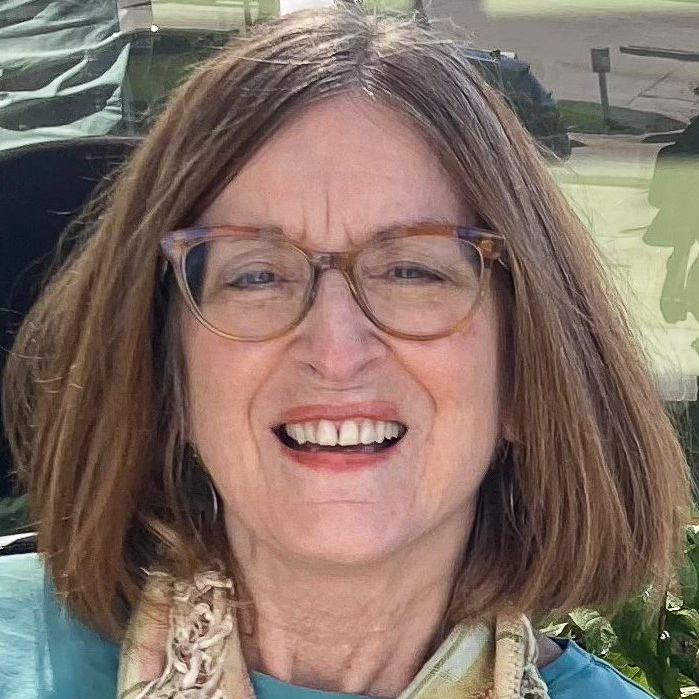
Dot Nary is a disability activist, retired KU researcher, and educator. She grew up on the east coast and still misses the ocean but delights in the beauty of the prairie. She loves living in Lawrence and works to make it a community that is equitable, accessible and welcoming to all. Read more of her columns for The Lawrence Times at this link.
If this local platform matters to you, please help us keep doing this work.
Don’t miss a beat … Click here to sign up for our email newsletters
Click here to learn more about our newsletters first
More Community Voices:
 Tom Harper/Contributed Photo