

Ecological protection, recreation opportunities and cultural access are all part of Douglas County’s draft Wakarusa River Valley plan, which the county commission learned more about Wednesday.
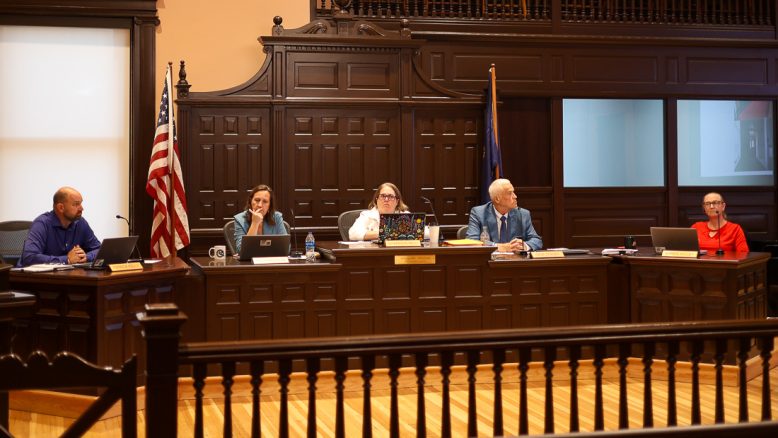
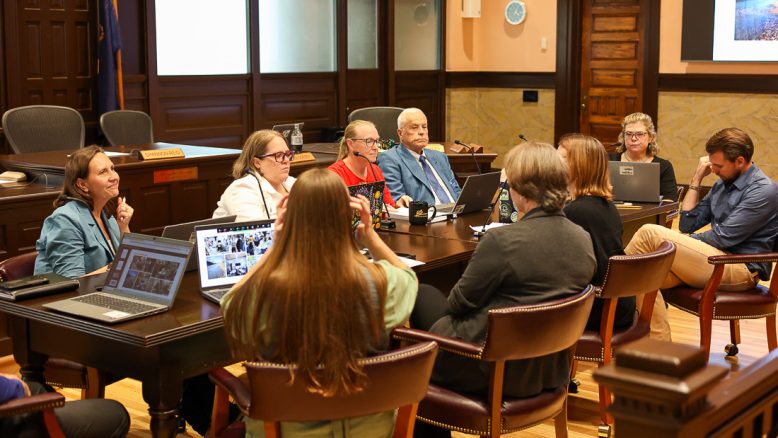
At a work session Wednesday, commissioners discussed the Wakarusa River Valley Vision Plan, which lays the groundwork for the ecologically rich area around the Wakarusa River, which runs south of Lawrence, stretching from Clinton Lake to Eudora.
The plan includes multiple potential projects and developments around the river. Development of the plan was led by the environmental consulting firm Biohabitats. It included open houses where community members could provide input.
Jessica Hardesty Norris, a senior ecologist with Biohabitats, told commissioners ecology and conservation were the most important themes they heard from community members.
Don’t miss a beat … Click here to sign up for our email newsletters
Click here to learn more about our newsletters first
She called the river valley a “connectivity super highway” for plants and animals.
Please support
The Lawrence Times!
Subscribe here.
That desire to protect the ecology of the land was central to other sections of the plan, Hardesty Norris said.
Another core part of the plan is recognizing the shared ownership of the river valley. The plan’s development included representatives from the county, the City of Lawrence, Haskell Indian Nations University and the Baker University Wetlands Discovery Center.
Hardesty Norris said it was moving to hear the number of people who had personal or historical connections to the land.
The plan aims to balance the many overlapping interests among people who are connected to the river valley, including historical Indigenous stewardship of the land and local connection to native plants and wildlife, she said.
“There’s just a lot of a lot of passion and a lot of commitments and a lot of history with the community in this river,” Hardesty Norris said.
Also, much of the corridor is owned by private landowners who have personal and agricultural interests in the river corridor’s health.
The plan’s vision statement for the river valley is for it to be a “collaborative river and watershed system that sustains clean water, natural flood processes, and native habitats. The river and valley will link people, wildlife, history, and culture in a resilient, celebrated, and accessible landscape where education, recreation, and shared responsibility allow the river and community to thrive.”
One part of the project plan focuses on recreation opportunities in the river corridor.
A series of potential projects include public parks and trails along the corridor. Plus, the plan highlights potentially adding river access at the Baker Wetlands.
Commissioner Patrick Kelly asked if there were any limitations on what types of recreation should be pursued in the river valley.
Hardesty Norris said recreation plans have to start with land conservation.
Douglas County Sustainability Manager Kim Criner Ritchie said the plan focuses more on access that already exists, like the Baker Wetlands and Lawrence Loop trail system, and how to improve and expand them.
Commissioner Gene Dorsey asked if it would be better to do as little as possible in the river valley.
Hardesty Norris said the downside to not having a plan is having inefficient care for the river valley, and said it was better to have someone step up and provide guidance.
Criner Ritchie said any future changes would be incremental and adaptive to changing conditions and new opportunities. She called the proposed plan a source of momentum to carry out goals and strategies in the future.
During public comment at the commission’s regular meeting, Patrick Ross spoke against the 1059 project (formerly New Boston Crossing), a development that is seeking to build housing, retail and a soccer complex in the Wakarusa River Valley.
“If that were to be built, that would undermine all the beauty and hard work that was put into that plan that we were studying earlier,” Ross said.
Commissioner Shannon Reid asked about one specific pilot project listed in the plan, which calls for exploring changes to Clinton Lake dam releases to better support wildlife habitat and reduce erosion.
The U.S. Army Corps of Engineers, which controls the level of Clinton Lake, and the Nature Conservancy’s Sustainable Rivers Program could help develop recommendations for more natural, seasonal flow patterns while maintaining flood control and other lake uses.
“There’s a lot I love about this,” Reid said. “And I’m excited to see how it comes to fruition, how the conversation evolves and what sort of tangible takeaways this community can look back to as a product of this work.”
The work session was for informational purposes only, and the commission took no action on the plan. According to a memo from County Administrator Sarah Plinsky, the commission is scheduled to vote on the plan at the end of the month.
See the full draft at this link.
If local news matters to you, please help us keep doing this work.
Don’t miss a beat — get the latest news from the Times delivered to your inbox:
Click here to learn more about our newsletters first

Cuyler Dunn (he/him), staff reporter, has worked with The Lawrence Times since April 2022. He can be reached at [email protected].
Read his complete bio at this link. Read more of his work for the Times at this link.
Latest Lawrence news:
 Cuyler Dunn/Lawrence Times
 Cuyler Dunn/Lawrence Times
Douglas County Commission discusses conservation, recreation in plan for Wakarusa River Valley
 Molly Adams / Lawrence Times
 Cuyler Dunn/Lawrence Times