

See restricted research areas of KU Field Station during visitors’ day
The KU Field Station will open a 1.5-mile loop for the public to walk and explore research projects during Visitors’ Day, held every two years.

The KU Field Station will open a 1.5-mile loop for the public to walk and explore research projects during Visitors’ Day, held every two years.
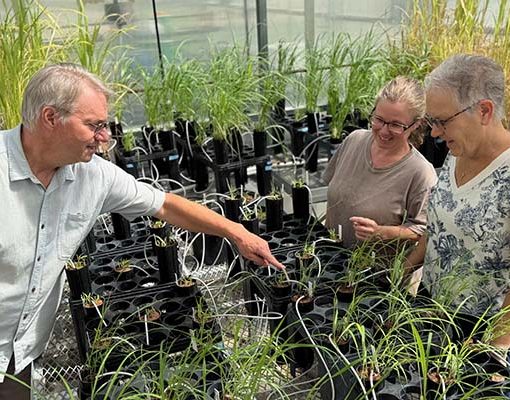
Researchers at KU and their collaborators landed a $1.9 million grant to research drought tolerance in wheat and rice using the school’s living fungi “library.”
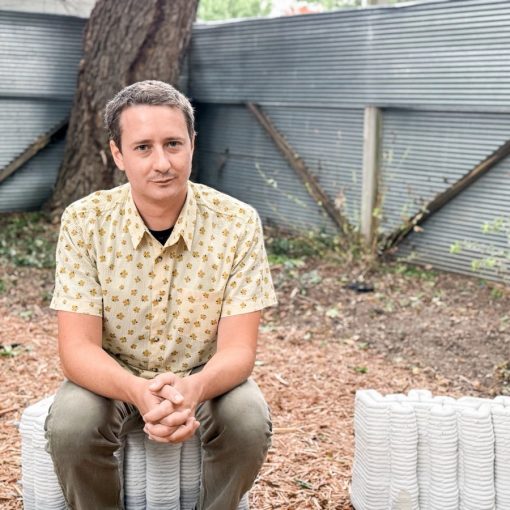
3D-printed concrete blocks could help build severe weather shelters in places like manufactured home communities. K-State is developing the technology.
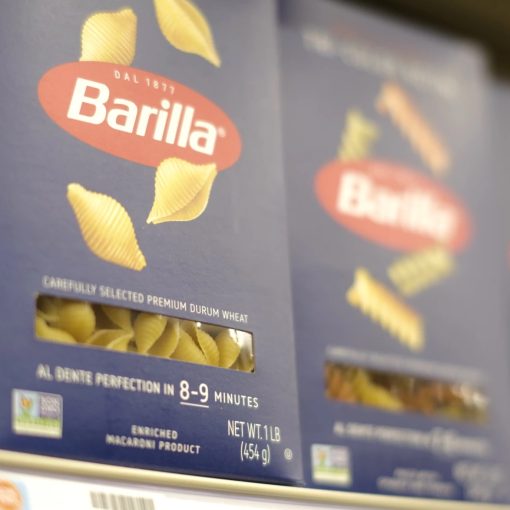
A new type of wheat dotting Kansas fields has a special use: making pasta. Wheat acres have continuously declined in Kansas. The noodle-focused wheat variety could change that.
 KU Libraries
Patience Eméfa Dzandza Ocloo, the first international librarian-in-residence at KU, has months of research in Lawrence ahead of her as she funnels ideas about technology and information between cities, countries and cultures.
 Jacob Rice / Lawrence Times
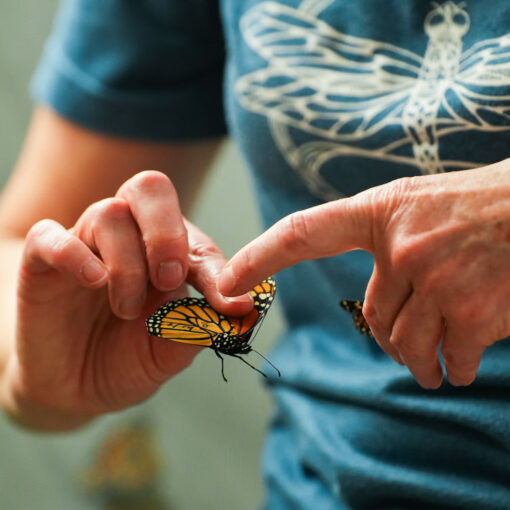
Outfitted with a little eyelash glue and tiny, solar-powered tags, Kristen Baum and her team at Monarch Watch will be able to watch the progress of monarch butterflies hatched in Lawrence as they fly across the country.
 Molly Adams / Lawrence Times
KU researchers are partnering with a Lawrence gym to advance functional fitness, helping people with mobility limitations in their day-to-day lives.
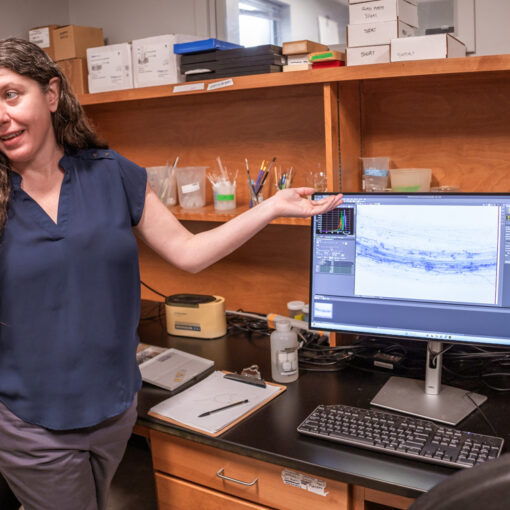 Molly Adams / Lawrence Times
For a team of researchers at KU, fungal doomsday looks less like parasitic mushrooms transforming people into zombies, and more like the loss of a fungi collection that serves as a major global resource for sustainability and restoration.
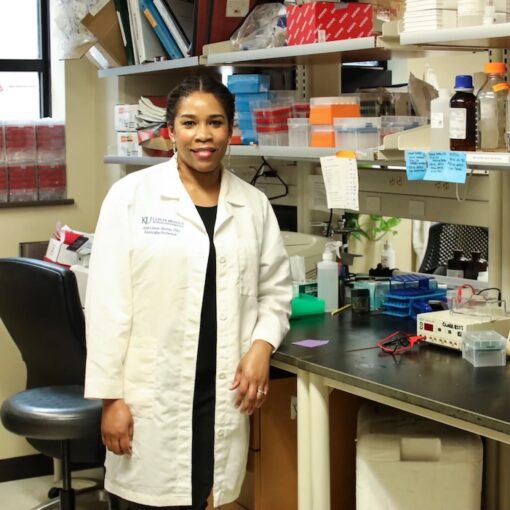
Triple negative breast cancer is aggressive and hard to treat. It also disproportionately affects Black women. A KU medical researcher is working to find out why and expand treatment options.
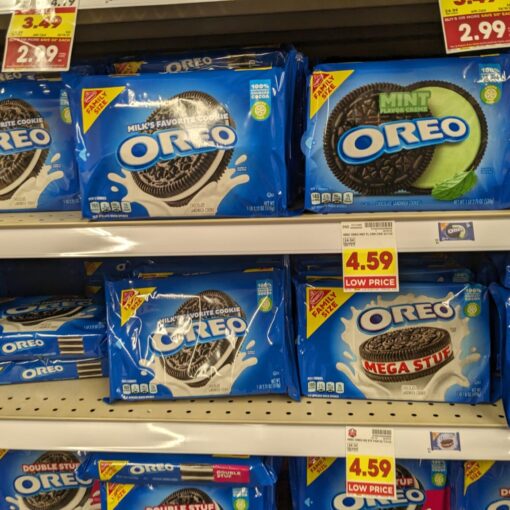
Tobacco companies risked the nation’s health by investing in food companies and deploying tactics to deepen consumer appetite for exceptionally palatable foods packed with addictive sugar, sodium and fat, KU researchers said in a new study.


