
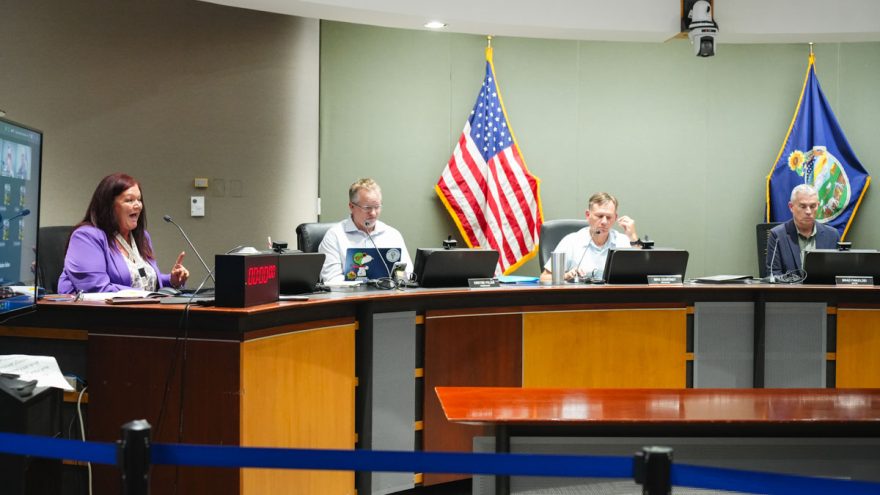
Lawrence city commissioners and community members on Tuesday voiced thoughts and concerns about the proposed 2027 budget, which would include the largest property tax rate increase the city has implemented in at least the past five years.
Numerous city department heads presented to the commission about what they’re planning for the 2027 budget, including any cuts or increases.
The proposed new mill levy, or property tax rate, is 36.060, up 2.35 mills from 33.712 this year.
The median sale price of a home in Lawrence over the past two years was $325,000, according to a recently completed housing study. The owner of a home valued at $325,000 would have owed the city about $1,260 in property taxes this year. Under the proposed new rate, the owner would owe the city about $1,348 in property taxes, an increase of $88.
Home valuations have also increased 5% on average countywide, meaning even if the property tax rate were to remain flat, most residents will be paying more next year.
Don’t miss a beat … Click here to sign up for our email newsletters
Click here to learn more about our newsletters first
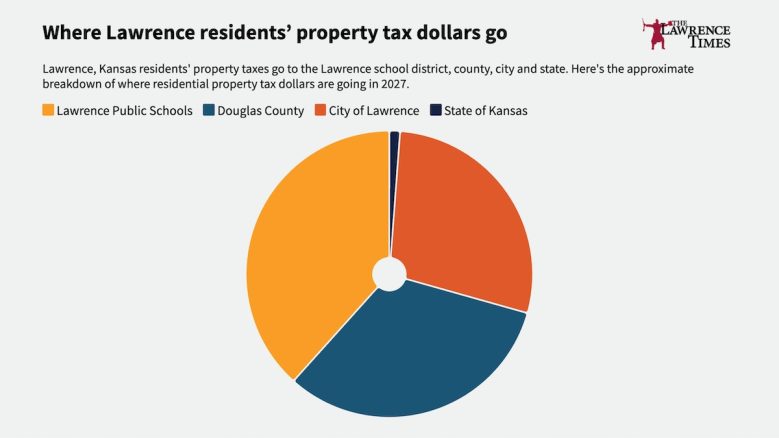
Property owners also pay taxes to the county, school district and state. In Lawrence, property taxes break down to about 41% to Lawrence Public Schools, 32% to the county, 26% to the city and 1% to the state.
Read more about the proposal at this link and see the full budget agenda item at this link. A recording of the full presentation will be available when the meeting is uploaded to the city’s YouTube channel at this link.
Commissioner Kristine Polian asked staff for the commission to focus on the budget at each of their next several meetings.
“I think we owe it to the community to do everything that we possibly can to avoid this mill levy increase,” she said.
Please support
The Lawrence Times!
Subscribe here.
She said she plans to research issues such as how much various county jails are charging to house people who are incarcerated, find out about what other cities are paying in cost of living adjustments, and more.
Polian said she’d asked 25 or 26 questions of staff and asked that those questions and answers be published with public information about the budget.
“We keep asking for more money. Our (key performance indicators) are lacking, and our service levels are subpar. So I want a higher picture,” Polian said. “I don’t want justification. I’m not trying to throw anybody under the bus, but we are doing priority-based budgeting, which means you keep us at a very high level. Therefore, I want to know what the outcomes are, I want to know how we’re performing.”
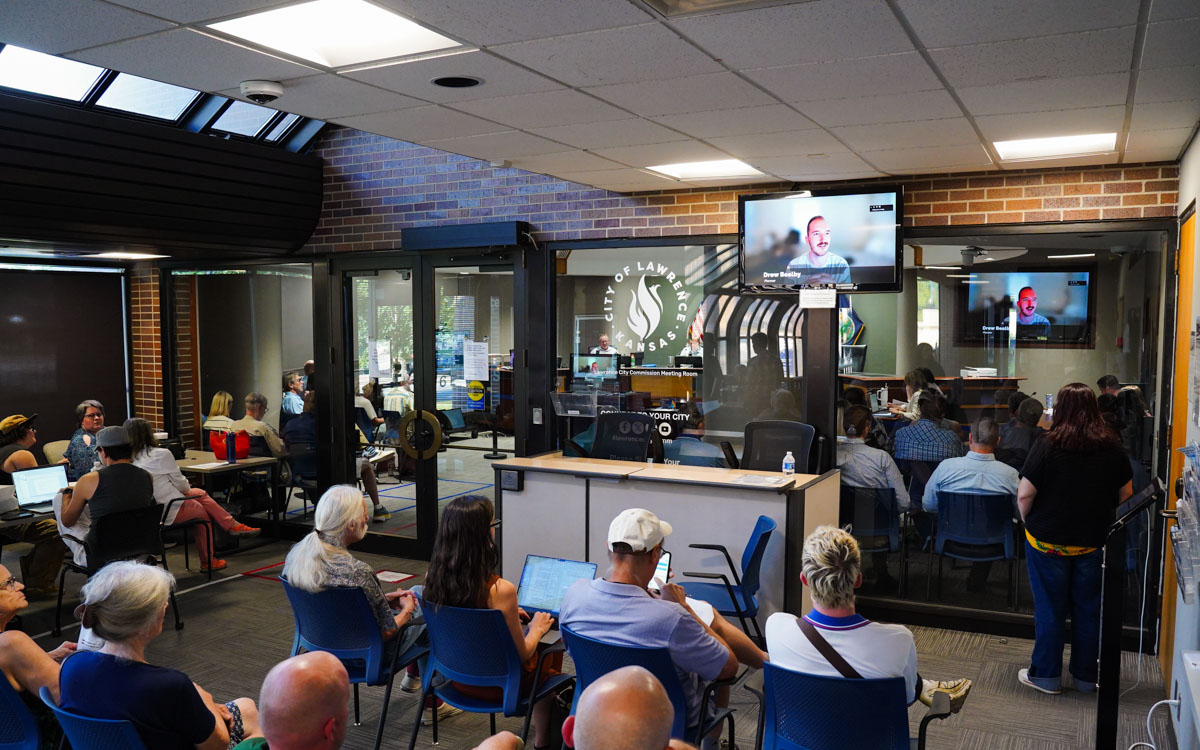
Commissioner Amber Sellers said the community doesn’t want services cut but also doesn’t want to pay more for them, and the city is in a phase of recalibration. She also expressed some frustration.
“This commission has had 6 1/2 months to direct staff with alternatives. Some of us have done it and others of us have not, and so now we are in the 11th hour,” Sellers said. “Some of us have demands for staff with no direction, not saying anything clear and explicit.”
Commissioners asked to see what the budget would look like if the city gave 2.5% general wage adjustments and 2.5% step increases, as opposed to 5%.
“I’m not willing to give a 5% step increase — that is far, far too high,” Polian said. “I’m sorry, but 7.5% is very, very rare, and typically performance-based.”
The budget as proposed would include 21 new positions. Polian also asked to see a budget option with no new staff positions added other than the proposed increase of 15 firefighters the city is planning to staff Fire Station 6, slated for Sixth Street and Stoneridge Drive, and commissioners asked for options to potentially phase in tax increases to cover those positions.
Vice Mayor Mike Courtney said he’d like to look at a wage freeze for this year, but none of the other commissioners agreed to that.
Mayor Brad Finkeldei said the biggest shock in this year’s budget is a roughly $7 million increase to health insurance costs, and the budget would look a lot different without that.
“If there’s something we can do about that, if there’s something we can change to make that work — a 10%, 15% change in that is a million dollars,” he said. “That’s a big difference.”
He said it’s up to the commission to make the final decision about the budget, and he looks forward to the process over the next couple of months.
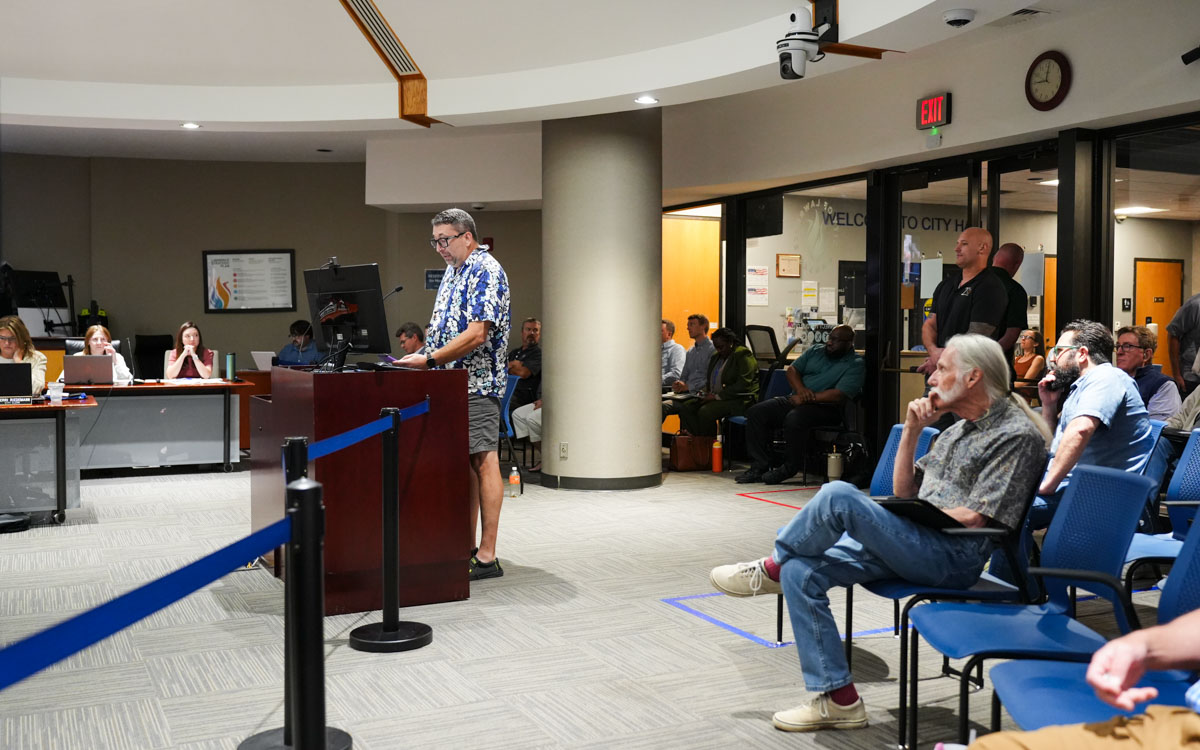
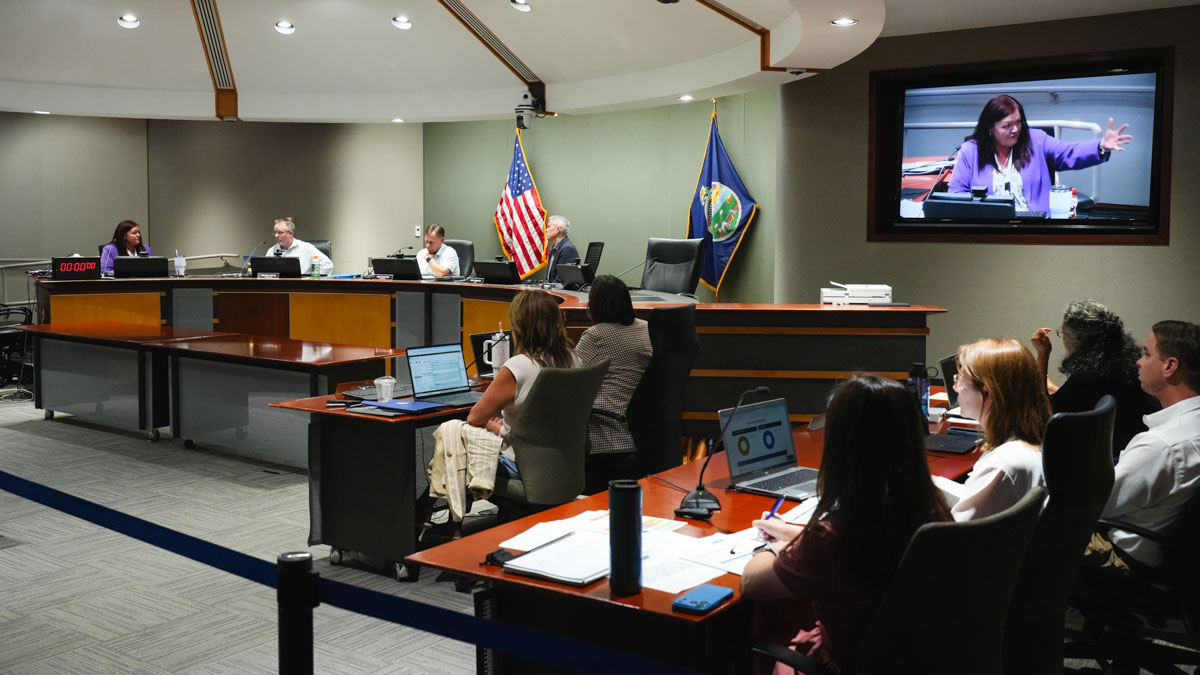
Almost two dozen people spoke to the commission about the proposed budget, voicing concerns, ideas, questions and suggestions.
Several spoke about the rising costs community members are facing in every aspect of life, saying that a property tax increase is not sustainable.
Some also discussed the framing of the budget conversation.
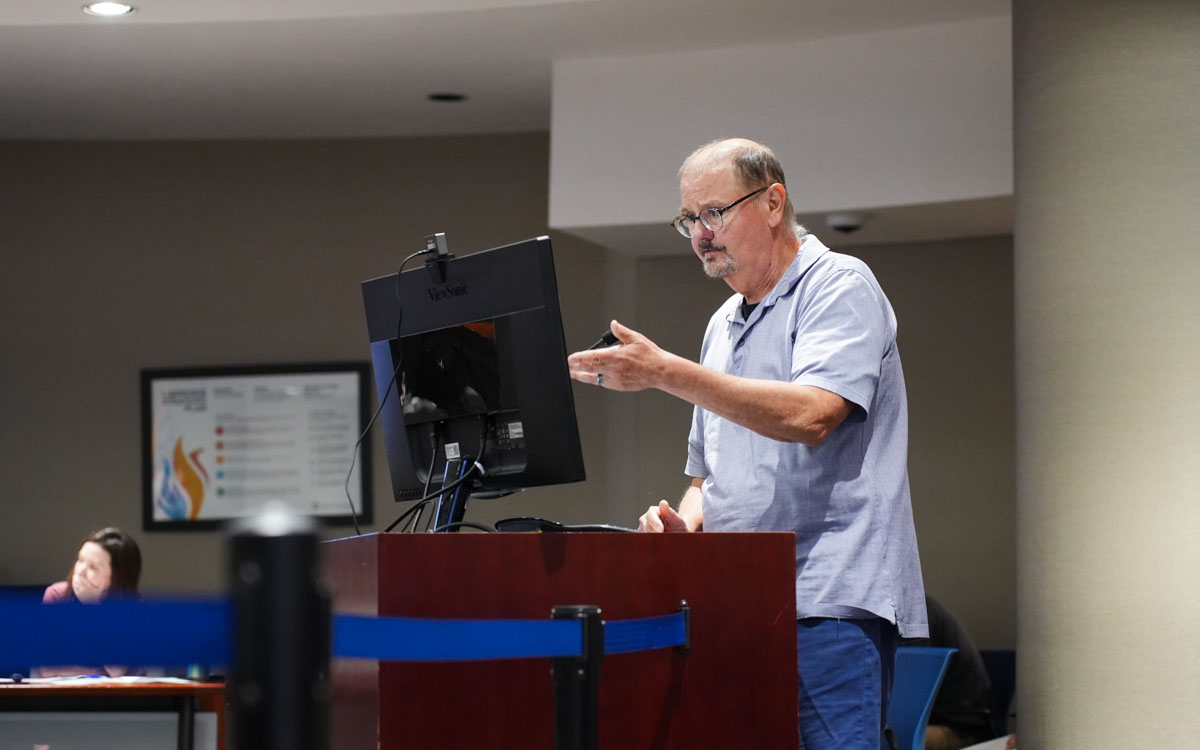
“This big of a budget hearing is probably a mistake. It’s a disservice to you, it’s a disservice to all the departments, it’s a disservice to the community,” resident Timothy Hamilton told the commissioners.
Commissioners briefly discussed a proposed increase to the Lawrence Transit sales tax.
Commissioner Mike Dever said he believes Lawrence Transit needs to charge riders fares because it needs a sustainable revenue source. He said the question is whether charging fares could cost the city federal dollars and/or ridership. Other commissioners agreed they’d like to know more about the possibilities.
Lawrence voters have to approve any sales tax increases the city proposes in order for them to go into effect. Lawrence Transit currently receives funding from a 0.2% sales tax, and city staff members are asking commissioners to put a question on voters’ ballots so voters can determine whether to increase it to 0.3%. Commissioners had previously indicated they were potentially in favor of the request, and the proposed budget presumes that voters will approve an increase.
Transit buses have been fare-free since January 2023. Without an increase, current route frequency, fare-free bus rides and the long-planned downtown transit station could be in jeopardy, according to previous information provided to the commission.
If commissioners ultimately approve, the sales tax increase question will appear on voters’ Nov. 3 ballots.
Next week, commissioners will vote on the maximum mill rate, or maximum property tax rate. After that point, they can vote to lower the budget, but they cannot increase their spending authority.
The July 14 meeting will begin with open public comment at 5 p.m., and the regular meeting will start at 5:45 p.m. at City Hall, 6 E. Sixth St.
Commissioners will hold their formal budget hearings on Sept. 1 and consider final adoption of the budget on Sept. 15, according to a timeline from city staff. The commission will likely have additional budget discussions in the interim as well.
The proposed Douglas County budget would keep the property tax rate flat. County commissioners have been in budget hearings, and those will continue throughout the week. Read more about that in the article at this link.
In other business, commissioners agreed they would like to discuss a request from the Lawrence chamber of commerce to consider asking voters whether they want to directly elect the Lawrence mayor.
The change to the form of government could appear on voters’ Nov. 3 ballots. Commissioners will ask the chamber to give a presentation about the possibility during the Tuesday, July 21 meeting.
Lawrence voters in November 2024 narrowly rejected directly electing the mayor as part of a bigger proposed change to the form of government; read more about that at this link.
If local news matters to you, please help us keep doing this work.
Don’t miss a beat — get the latest news from the Times delivered to your inbox:
Click here to learn more about our newsletters first

Mackenzie Clark (she/her), reporter/founder of The Lawrence Times, can be reached at [email protected]. Read more of her work for the Times here. Check out her staff bio here.
Lawrence city budget coverage
 August Rudisell/Lawrence Times
 August Rudisell / Lawrence Times

Latest Lawrence news:
 Jacob Rice / Lawrence Times
 Jacob Rice / Lawrence Times