
History books will tell you that the Liberty Memorial in Kansas City was the nation’s first official World War I memorial.
“But this dedication, this memorial here — this World War One memorial for our tribal veterans — actually occurred 12 days earlier,” said Jancita Warrington.
Warrington, born and raised on the Menominee Reservation, also part Prairie Band Potawatomi and Ho-Chunk, addressed a crowd gathered at the Haskell Indian Nations University stadium and memorial arch to honor the 100th anniversary of the structures’ dedication.
She said the school’s original plan was to raise $50,000 to recreate Adobe Flats, the old football field, and reconstruct the wooden bleachers. Thanks to significant contributions from the Osage Nation and donations from more than 2,500 Indigenous people, the school ultimately had $250,000 to work with.
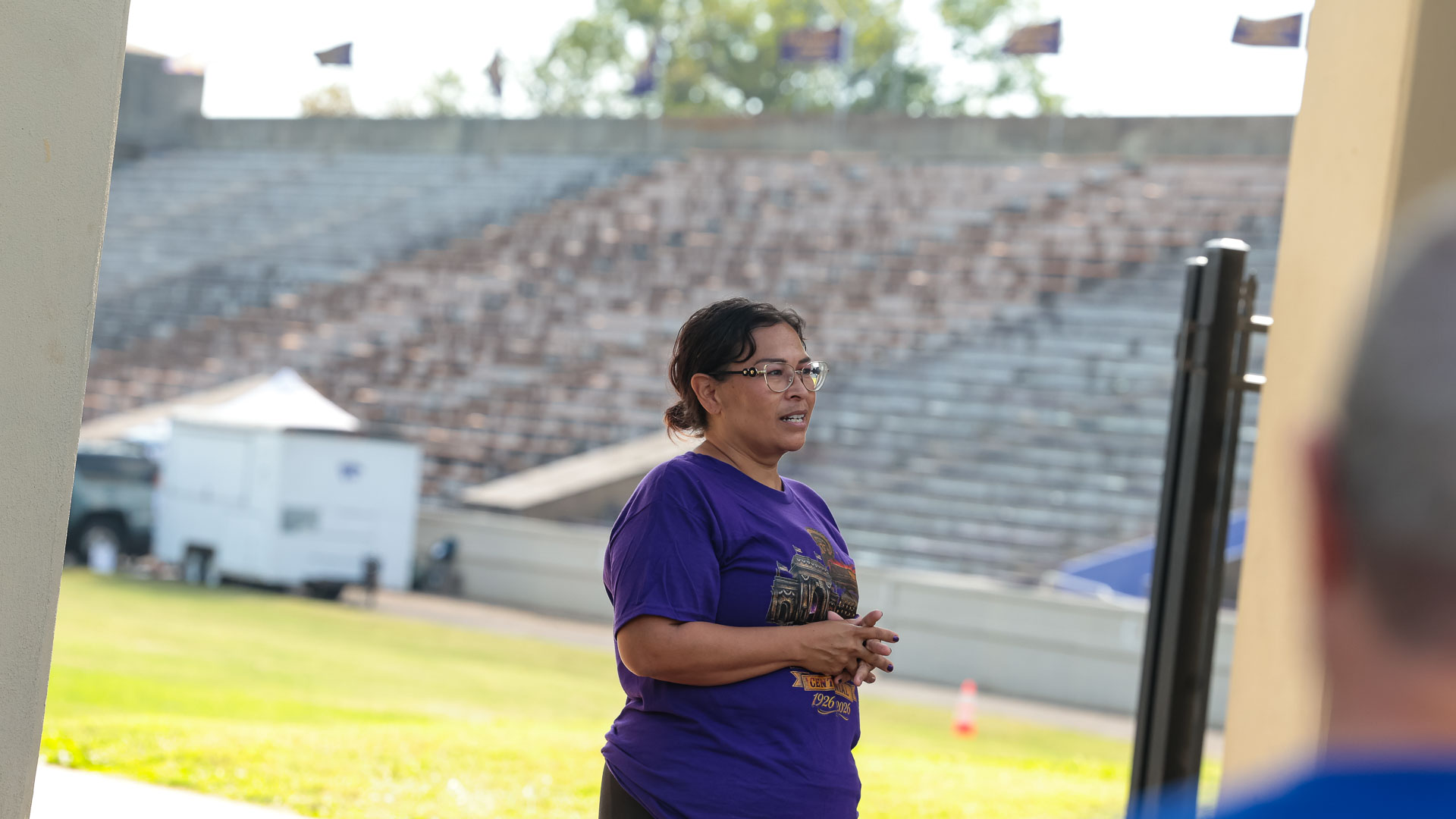
Haskell spent the first $50,000 buying the land back, from the stadium to 23rd Street, before starting to build the stadium.
“These students here, including these phenomenal athletes from this 1920 golden years of football, all dedicated time and their energy and help to build this stadium,” she said.
Don’t miss a beat … Click here to sign up for our email newsletters
Click here to learn more about our newsletters first
Two Quapaw women, Agnes Quapaw-Hoffman and Alice Beaver-Hallam, also gave $15,000 for the memorial arch.

“They were Haskell alumni and they were students when World War I came, and they watched their classmates go away and serve in World War I and come back different people, and never be acknowledged for that service here,” Warrington said. “And so they wanted to make something with this memorial archway to acknowledge that service.”
Please support
The Lawrence Times!
Subscribe here.
She said 415 Haskell students served and volunteered in the war “before we were yet considered United States citizens.”
The dedication ceremony in 1926 also subverted restrictions the United States government placed on Indigenous people.
The Code of Indian Offenses outlawed many Native peoples’ cultural practices, including singing and dancing, from 1883 to 1978. Congress had also banned the killing of buffalo after the Great American Buffalo Slaughter perpetrated by colonizers.
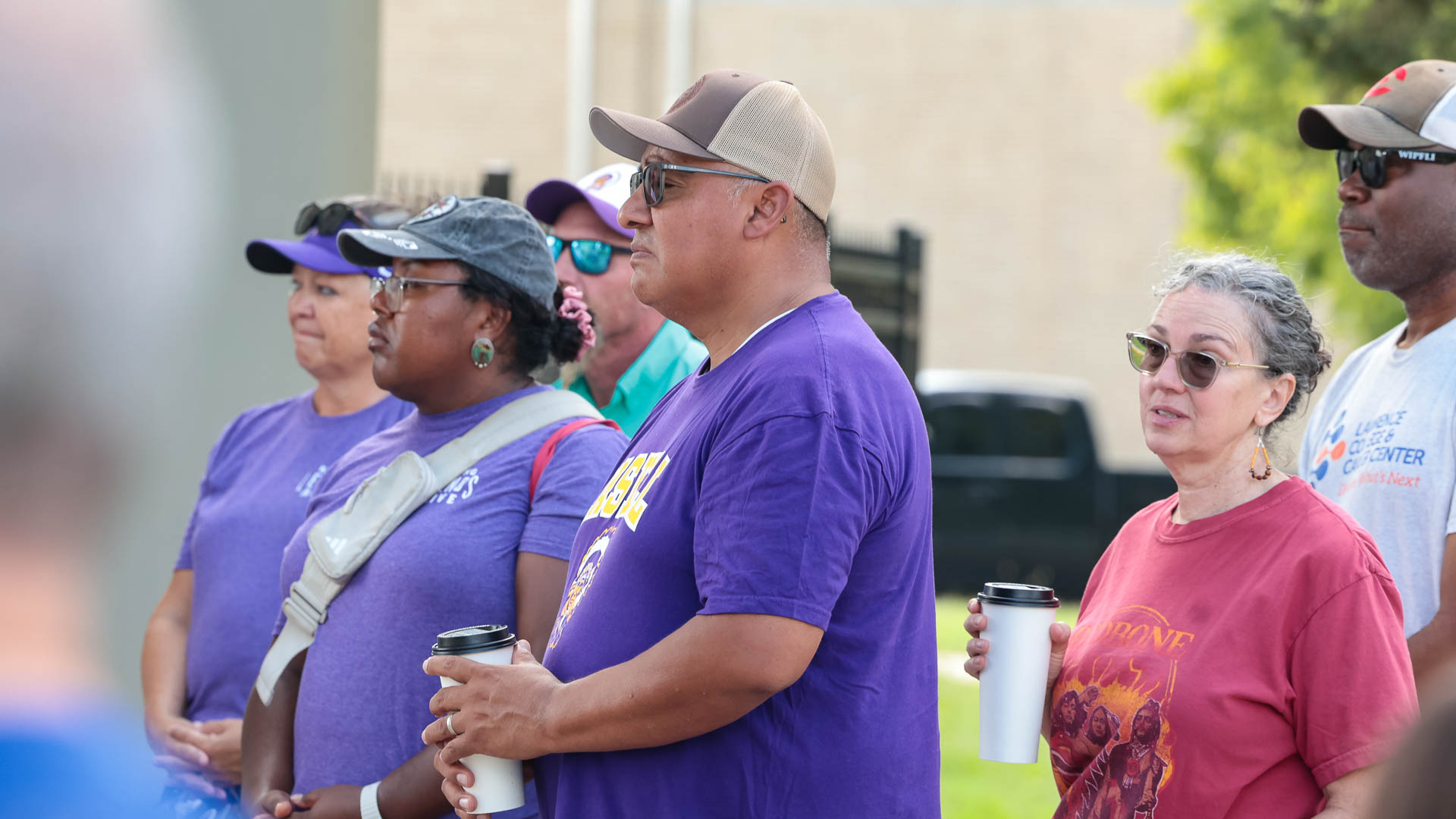
Warrington said the Osage Nation still asked to host a buffalo feed and powwow.
“Because of that particular ask from that particular group of people, we were able to have” a powwow and buffalo feed, Warrington told the crowd.
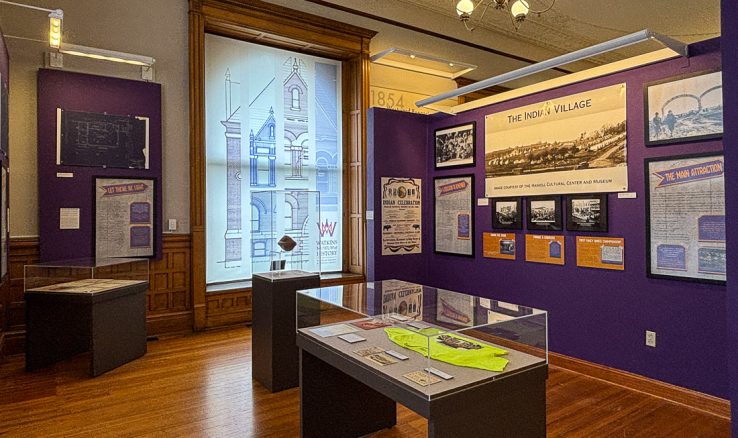
Learn more about the history of the stadium and football on this page and in this article. People can also visit the Haskell Cultural Center and Museum, open 10 a.m. to 4 p.m. Tuesday through Saturday at 2411 Barker Ave.
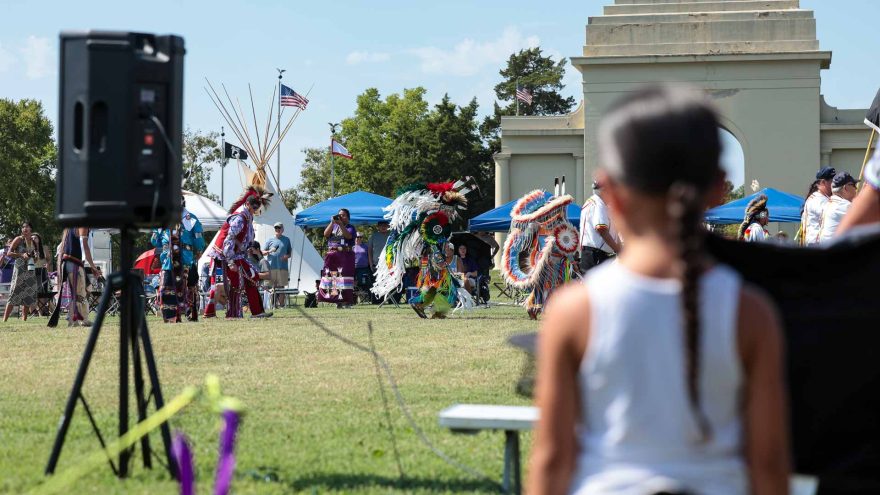
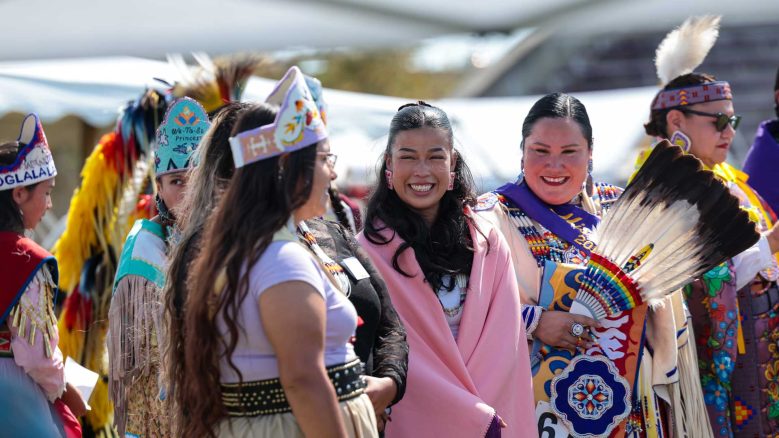
A century later, the Haskell community organized a two-day series of celebrations honoring the original dedication, including a bison harvest with a community feed, and a powwow.
The university is also partnering with Haskell Foundation to raise $100,000 to restore the stadium and arch. Learn more and contribute at this link.

As people traveled from all over the country to be a part of the festivities on campus, here are reflections from alumni and former Haskell students about their time at the school and their hopes for the generations to come.
Vanessa Hill, Mvscogee Creek
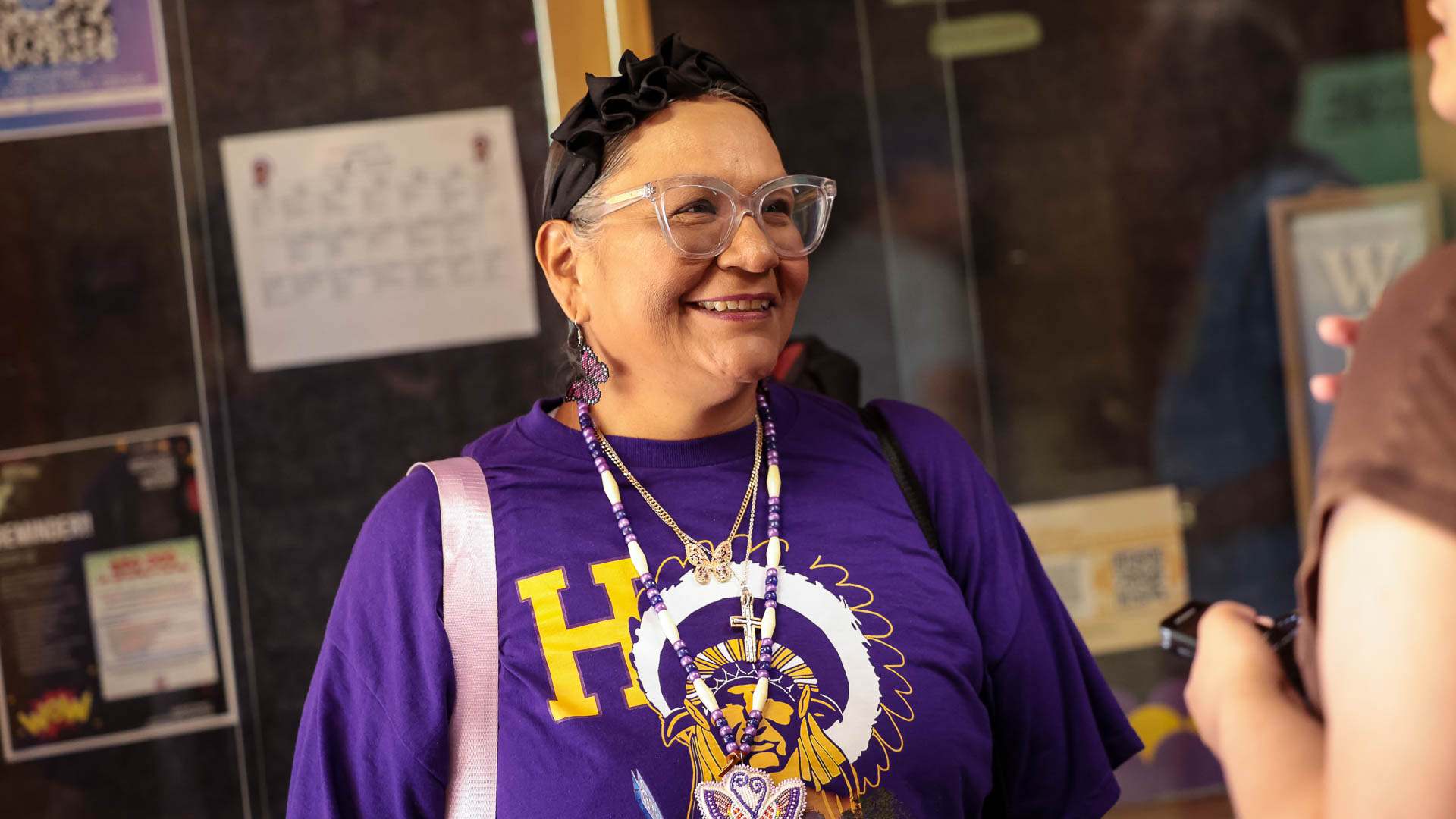
Degrees: 1998 associate degree in liberal arts; 2010 bachelor’s degree in administration
What she’s doing with her degrees: “I’m working for my tribe now as the Patient Benefits Coordinator in the Department of Health for Creek Nation.”
A favorite memory from her time at Haskell: “When I graduated, I felt like that was a big accomplishment, and meeting all kind of tribes throughout the United States. And that was a big culture shock to me because I was just around in my little town and I never (previously) got the experience being out of there, so that was cool.”
A special memory of the stadium: Hill’s graduations were held at the stadium.
Additional reflections: Hill is proud to have a fourth-generation Haskell student, Simeon Hill, on the track team.
“Onward Haskell,” she said.
Ricky Sheridan, enrolled Omaha Tribe of Nebraska
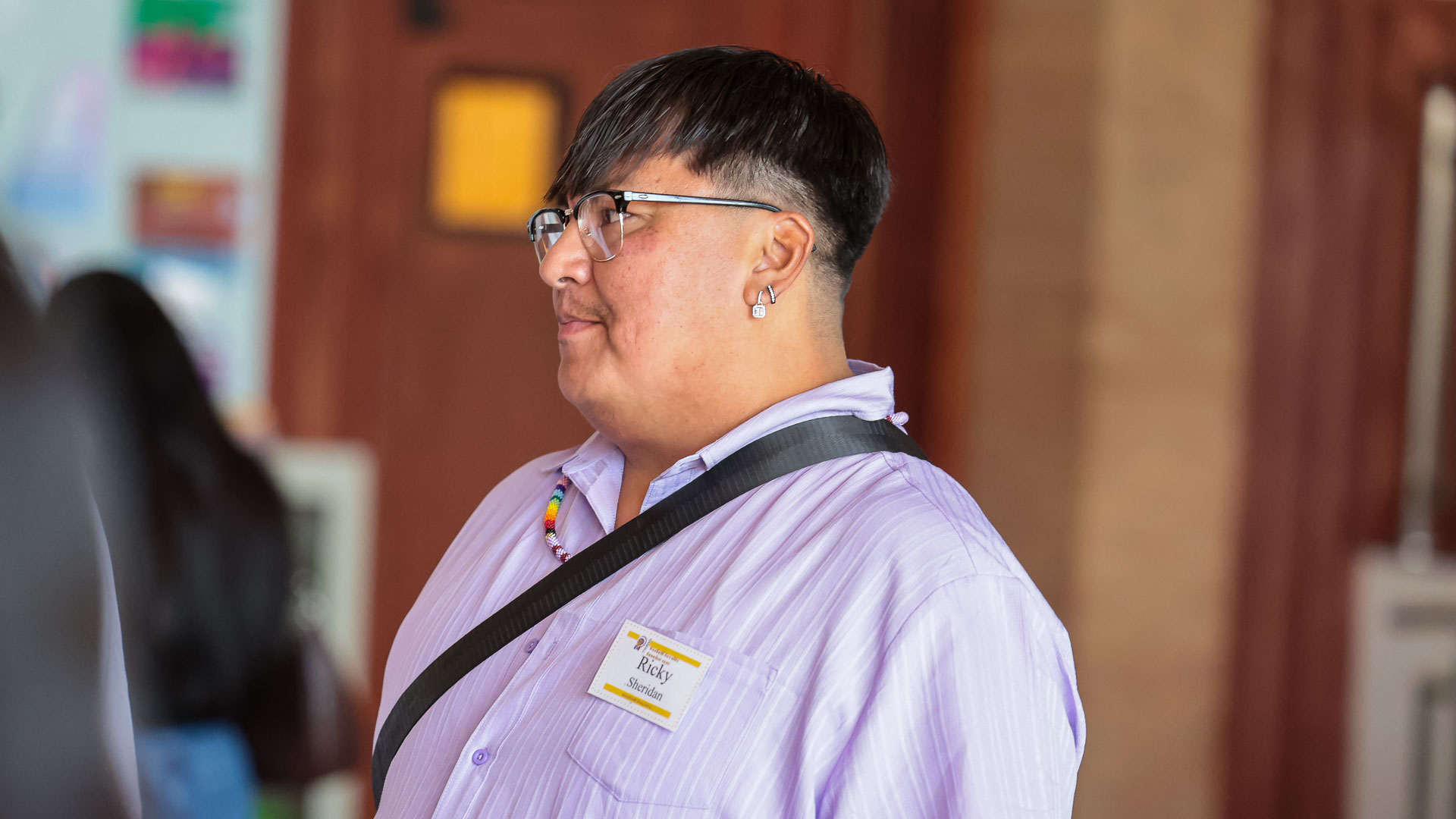
Degree: 2010 bachelor’s in American Indian Studies
What he’s doing with his degrees: Teaches kindergarten through eighth grade on the Omaha Reservation in Macy, Nebraska
A favorite memory from his time at Haskell: “I was a cheerleader here for the four years that I’d been here, and my senior year, I was known for my toe touches … and I was named Mr. Toe Touch. I did 1,000 toe touches of my cheer career here at Haskell.”
A message for current and future students: “Stay humble, stay connected with the people that you met here, and utilize your resources from where you came from: your home, your tribe, here at Haskell. Because those bonds, those relationships will help you in the future after you leave here.”
Tyler Moore, Cherokee Nation of Oklahoma

Degree: 2025 bachelor’s in Indigenous American Indian Studies
What he’s doing with the degree: Moore is a graduate student in Indigenous Studies at the University of Kansas. He’s working on a three-part graduate portfolio, which includes revitalizing Cherokee traditional politics in modern policies and advocating for the Haskell wetlands. For the third part of his portfolio, he was accepted into the Ilíiaitchik: Indigenous Correspondents Program, where he will do storytelling through streaming to encourage Indigenous futurity in video games. Follow his channel, Gadugi gaming, here.
A favorite memory from his time at Haskell: Moore was Haskell Brave in 2025, which meant that he was seated with staff and speakers on the graduation stage.
“It was very fun … I was standing on the podium shaking hands, and then I had to sprint to my seat to go back up to the podium to get my diploma,” he said. “So, it’s not every day you get to say you were an official at your own graduation.”
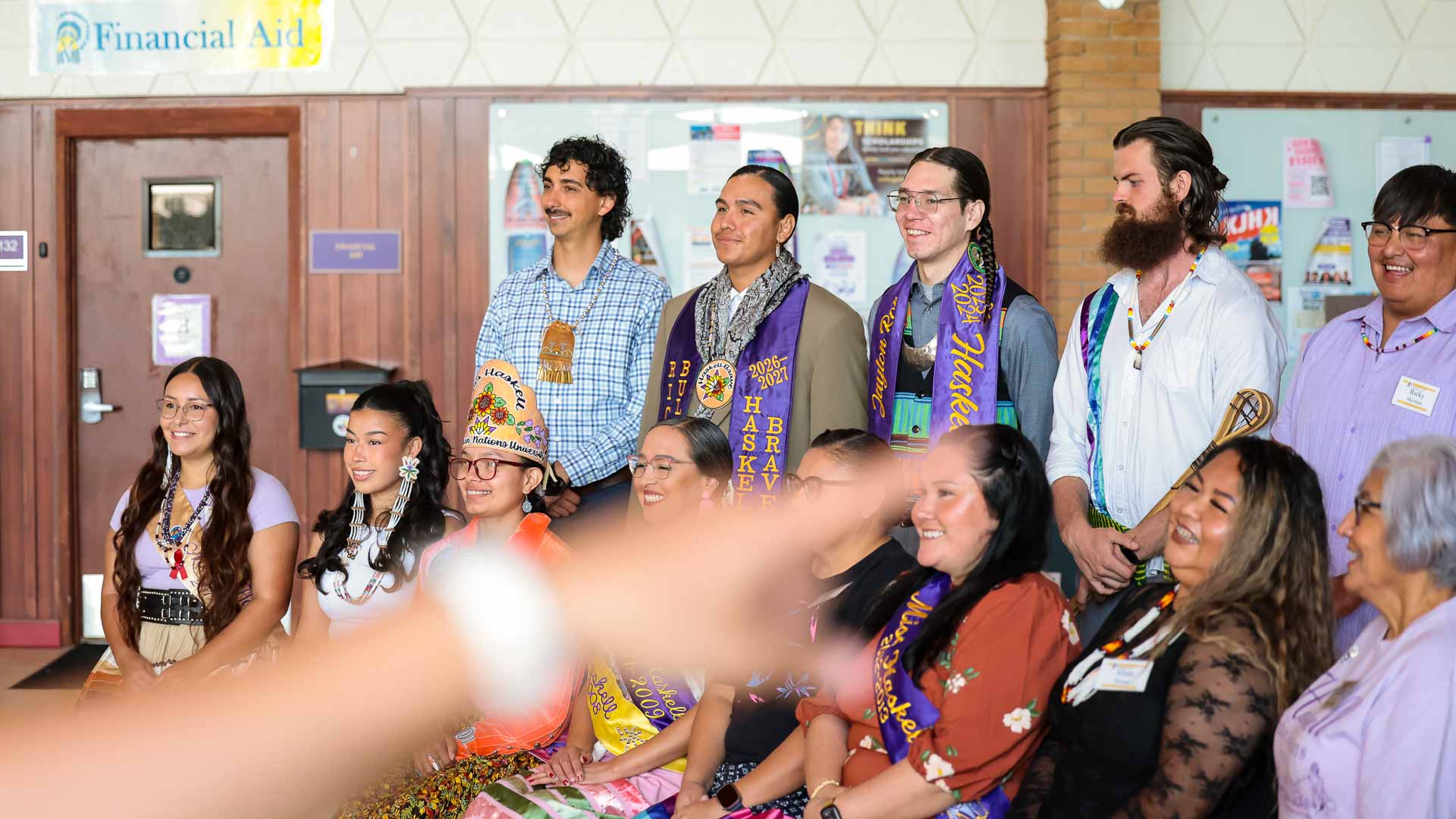
A special memory of the stadium: He was the first cohort of Haskell students to return to in-person schooling amid COVID-19, and he’d jog laps around the stadium track. Coach Albert Gipp, who was working to bring back the track team, saw Moore running one day.
“He volun-tells me that I need to show up at 4 p.m. this coming Monday because I’m going to be on the track team,” Moore said. “… That gave me, in this odd time at Haskell, a strong sense of community.”
A message for current and future students: “They’re never alone,” Moore said. “If you go to Haskell, you’re immediately part of something so much bigger than you can see. It’s not just your four-year degree here … You’re connected with generations, people who are going to recognize you, going to see that ‘H’ on your shirt or the Haskell hat you’re wearing, and immediately want to talk with you, ask you how you’ve been, give you advice, give you a job.”
He said he wants Haskell students “to almost dare themselves to dream what the campus can be, not from what people are telling us what Haskell should be, but what we dream it to be.”
Virginia Johnson, Eastern Band of Cherokee Indians
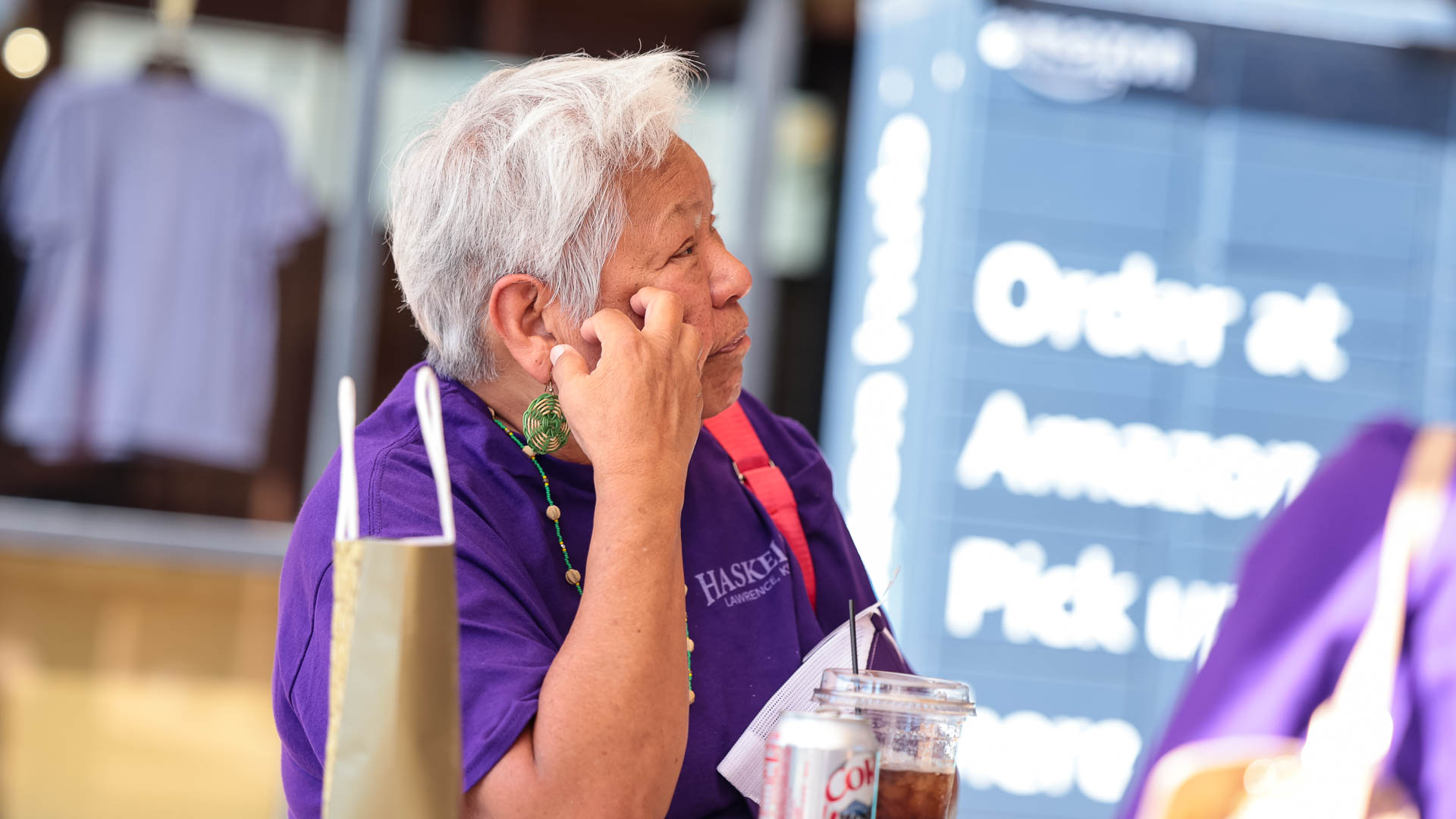
Years at Haskell: 1969, 1972-74
A favorite memory from her time at Haskell: Playing guard on the women’s basketball team
A reflection on her time at Haskell: “I do know that even though I didn’t finish here, education was always something that was a priority of my mother’s, and when I went home, I did go to the local university and finish there.”
Mona Cliff, enrolled member of the Gros Ventre tribe (A’aninin/Nakota Nations)
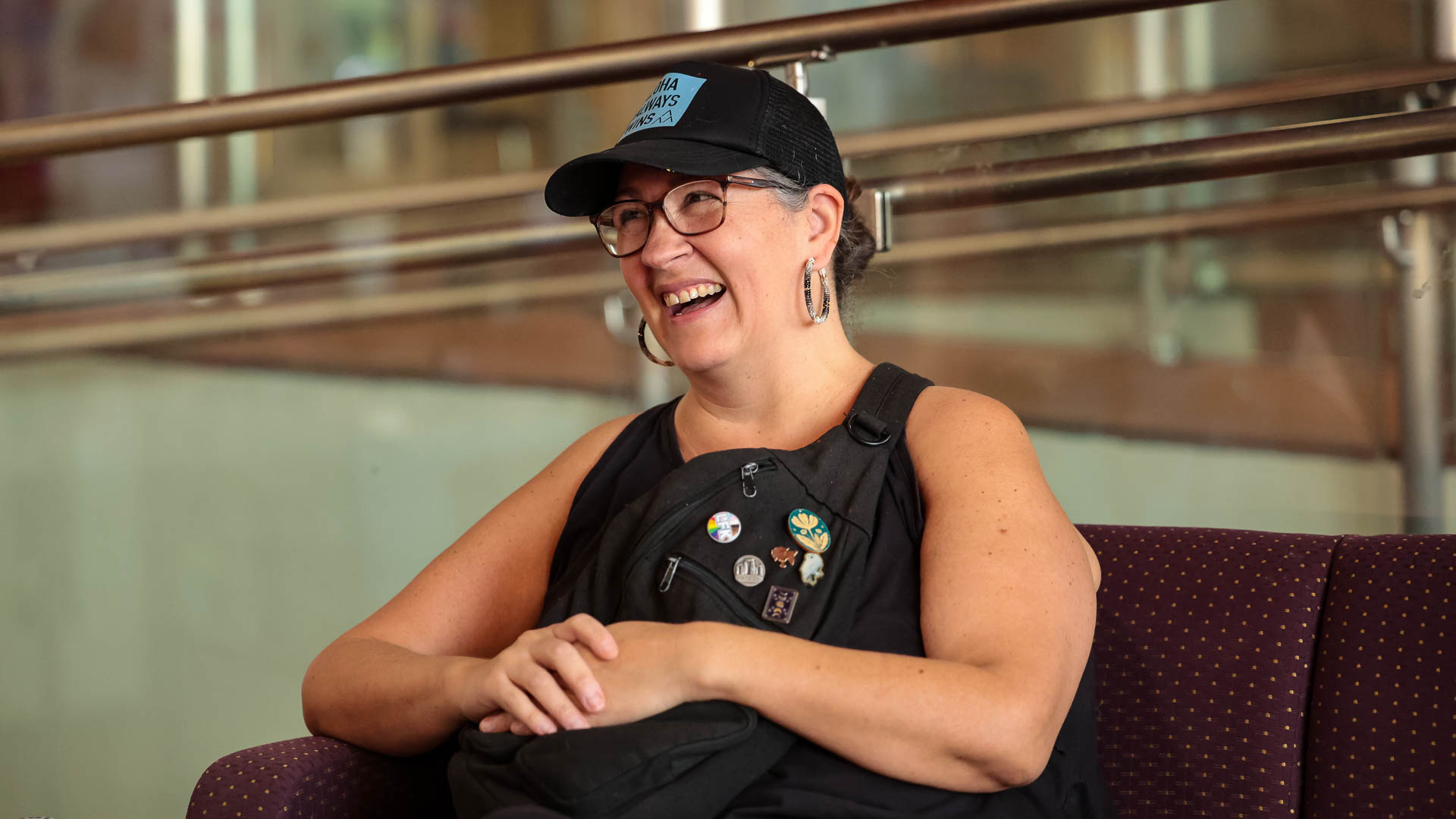
Time at Haskell: Two semesters starting in 2004
What she’s doing now: Cliff is an artist and muralist with work on Haskell campus and around Lawrence. She met Jimmy Beason II, Citizen of the Osage Nation, at Haskell, making their three children second generation Haskell Rascals. Beason is an instructor in Indigenous and American Indian Studies at the university.
Something she appreciates about Haskell: In her first few days on campus, Cliff was on a tour where the guide said Haskell is big enough that you don’t know everybody, but small enough where you’ll see someone you know every day.
“That’s so true. Even 20 years from now, that’s like all of Lawrence,” Cliff said.
She said that there are many people who go to Haskell, intending to stay for a short time, herself included. 20 years later, she’s raised a family and still works in Lawrence.
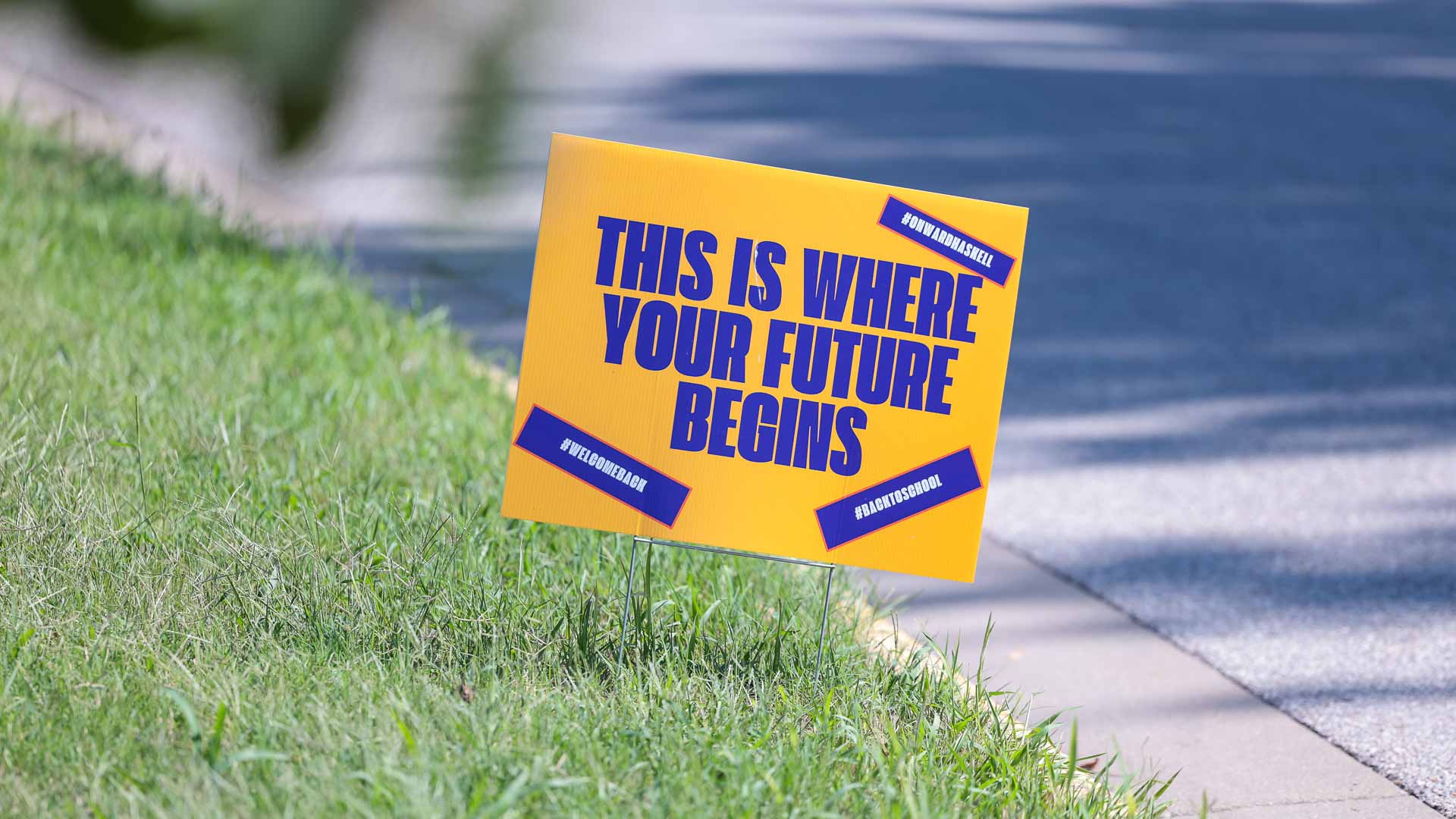
A message for current and future students: “What I really enjoyed about Haskell, being here, was the diversity of Natives that come here,” she said. “So, you have a sprinkling of everybody. Like, you get urban Natives like myself, or you get people from the reservation, you get people from very rural communities, and … we all can come together and meet each other and make new connections. And so I hope that every new student who comes here takes advantage of that and really, really leans into that experience.”
“I hope that they embrace being here,” Cliff added. “And it might be hard to be away from their families, but if they are open enough and put themselves out there, that they can find a new Haskell family.”

If local news matters to you, please help us keep doing this work.
Don’t miss a beat — get the latest news from the Times delivered to your inbox:
Click here to learn more about our newsletters first

Wulfe Wulfemeyer (they/them), reporter and news editor, has worked with The Lawrence Times since May 2025. They can be reached at [email protected].
Read their complete bio here. Read their work for the Times here.
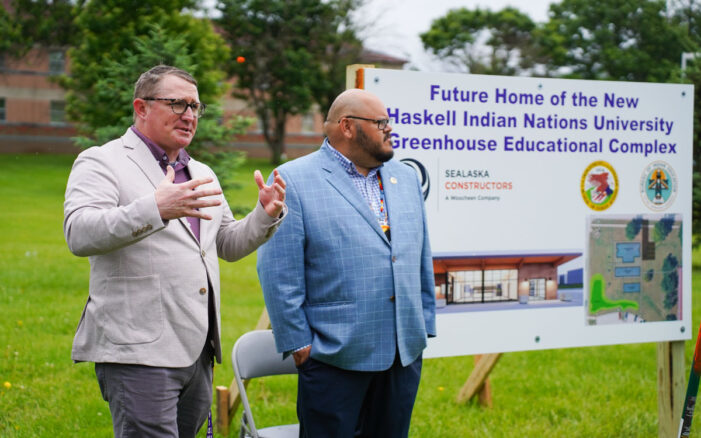
More coverage — Haskell Indian Nations University:

Latest Lawrence news:
 Cuyler Dunn/Lawrence Times