
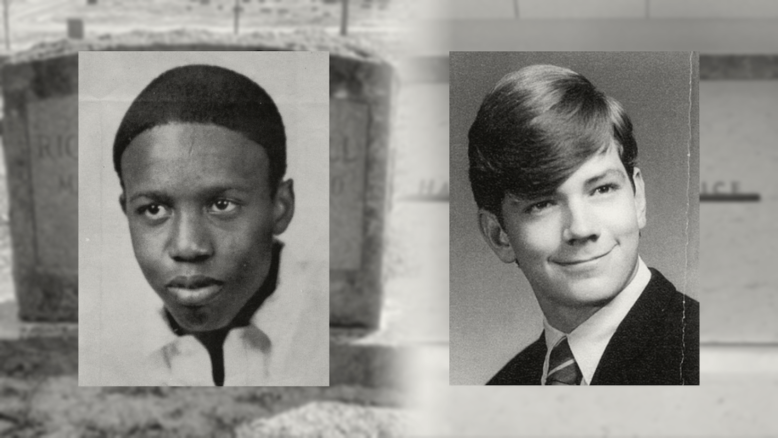
Harry Nicholas “Nick” Rice has attained a form of posthumous justice after 56 years and a widespread coverup campaign about his murder by a Lawrence police officer.
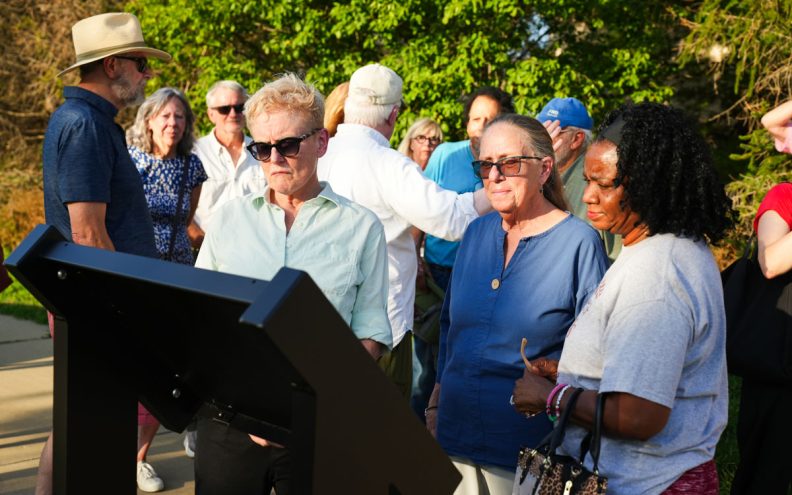
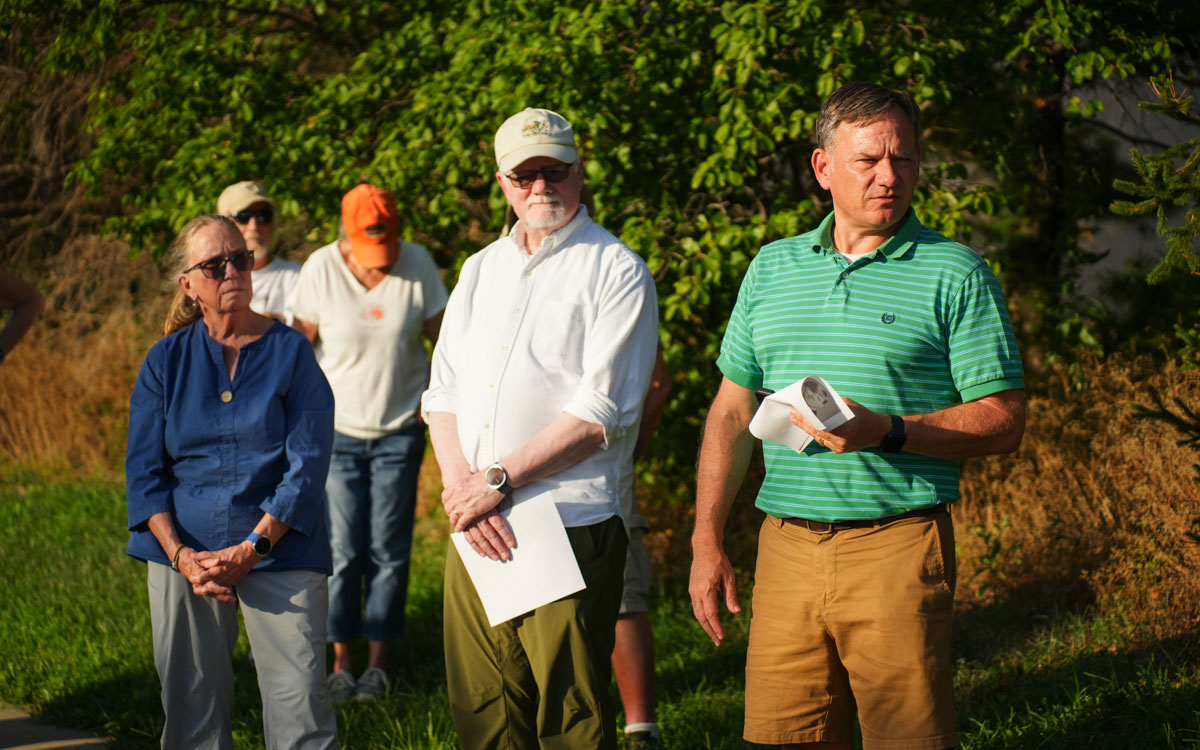
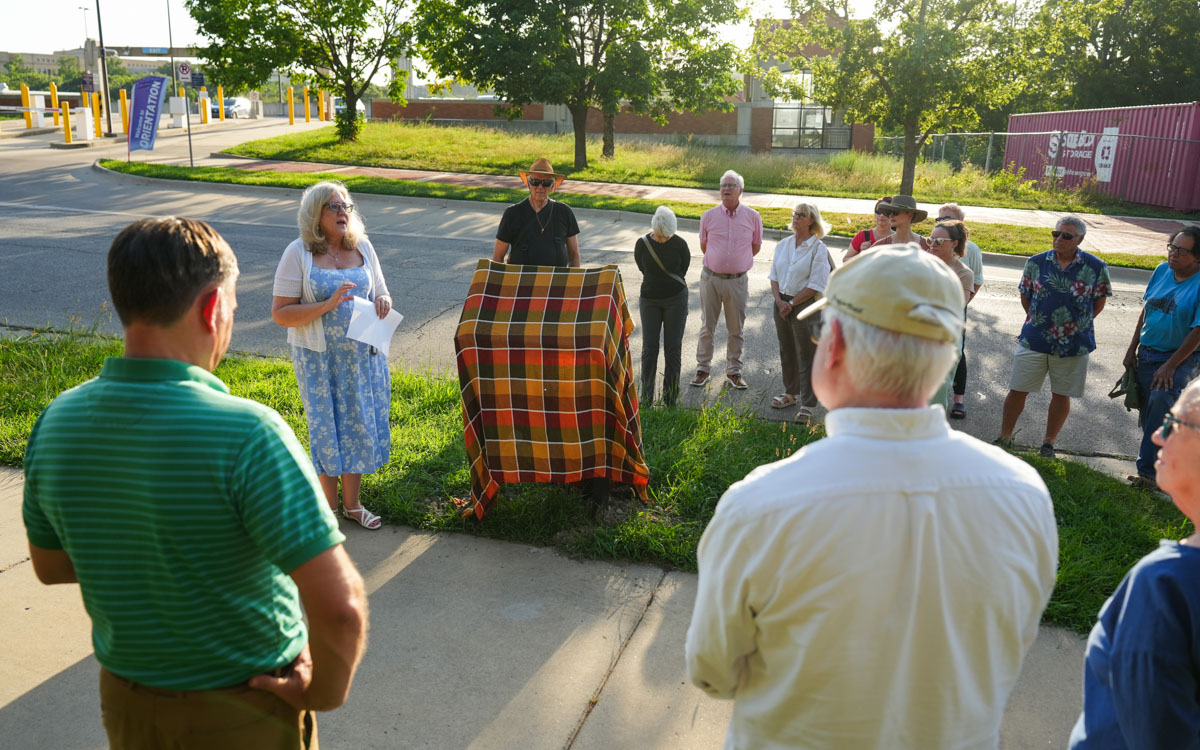
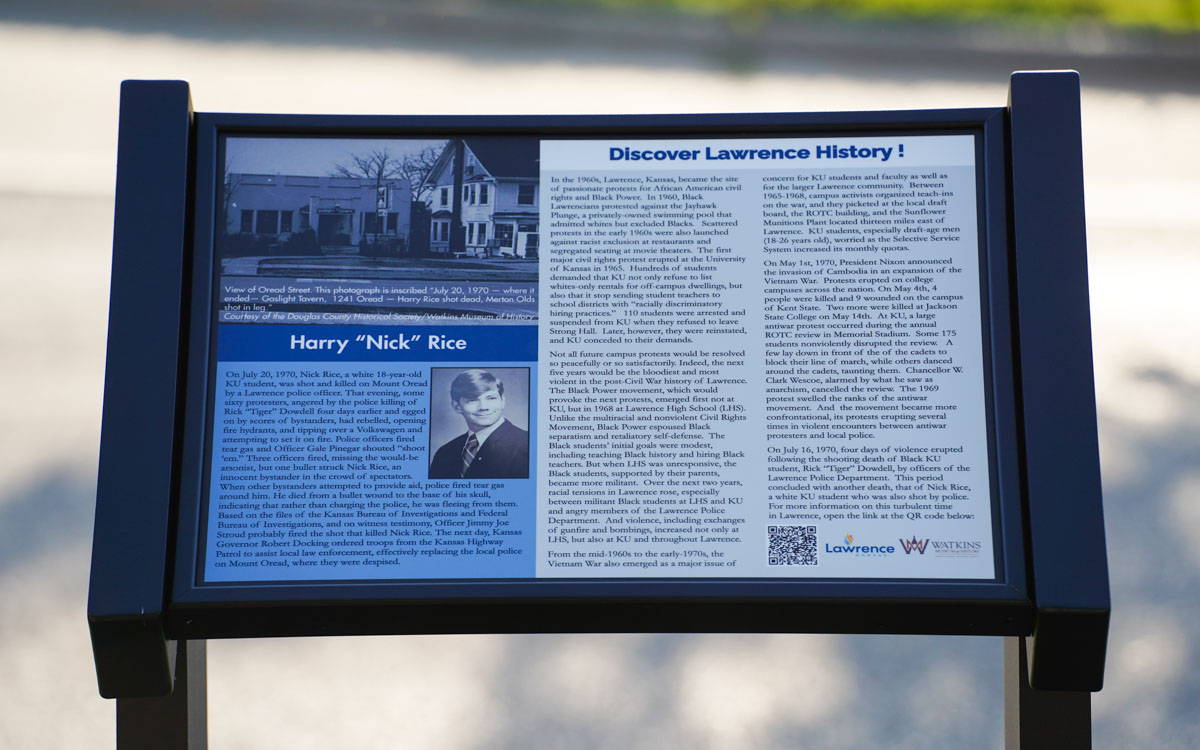
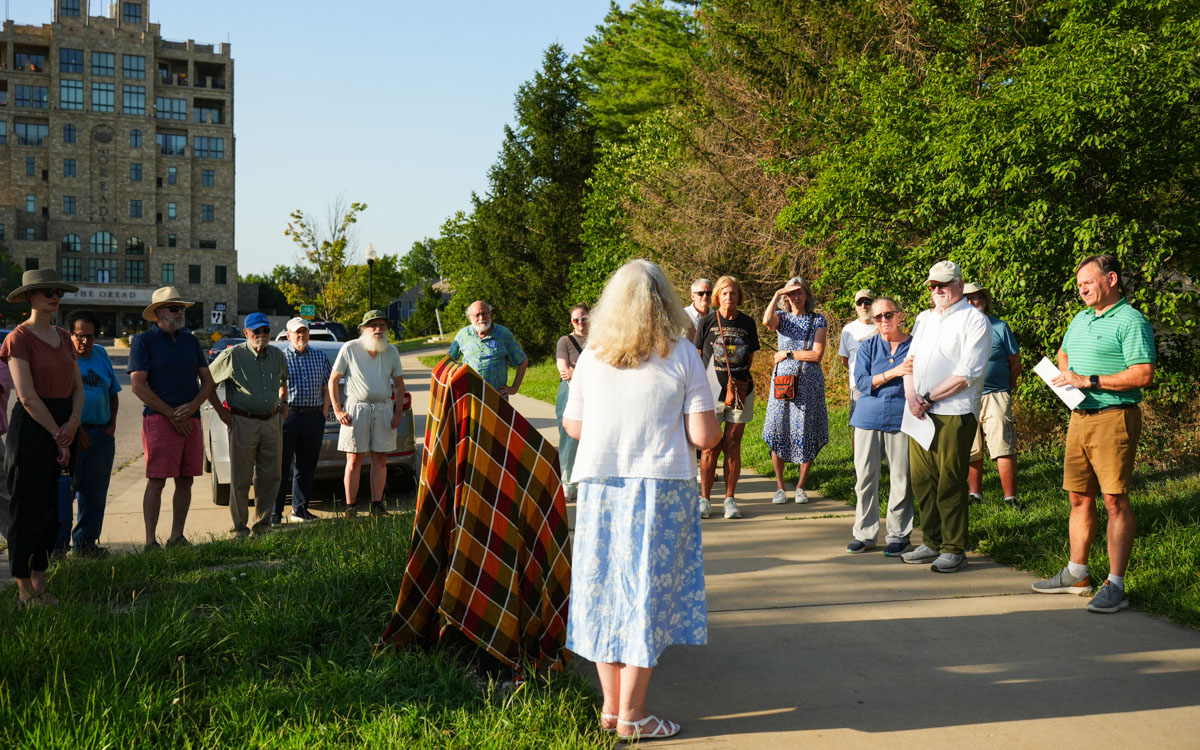
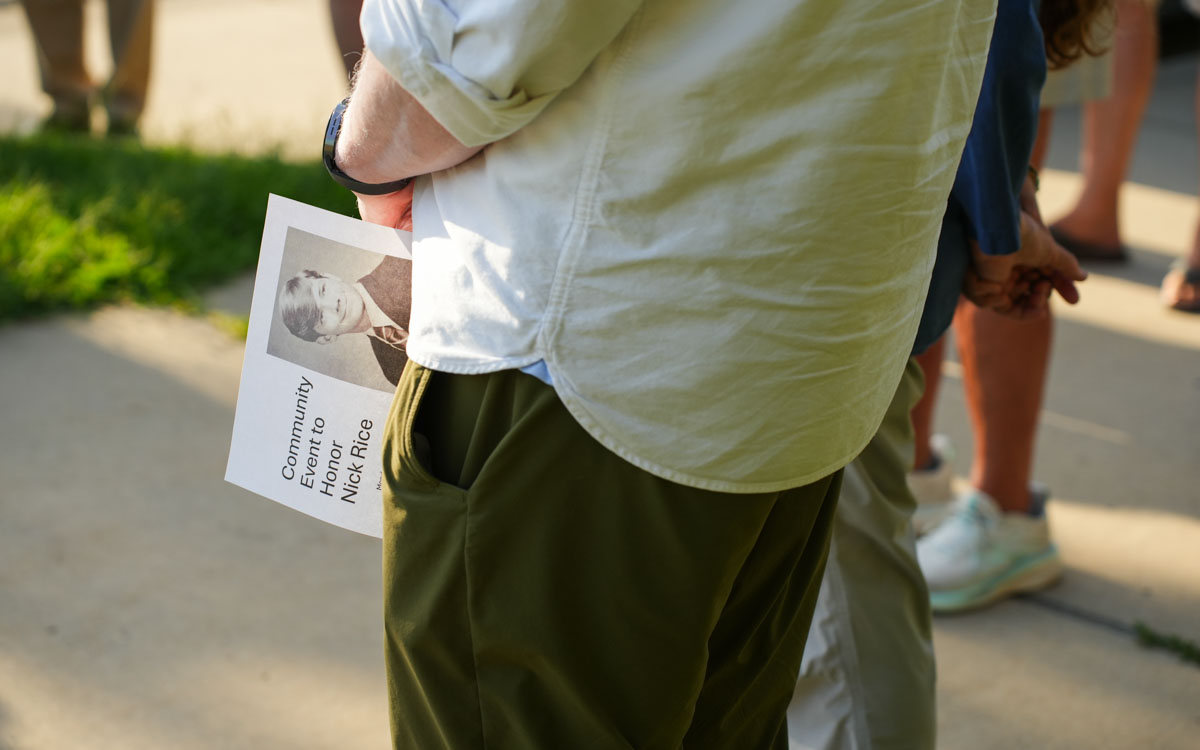
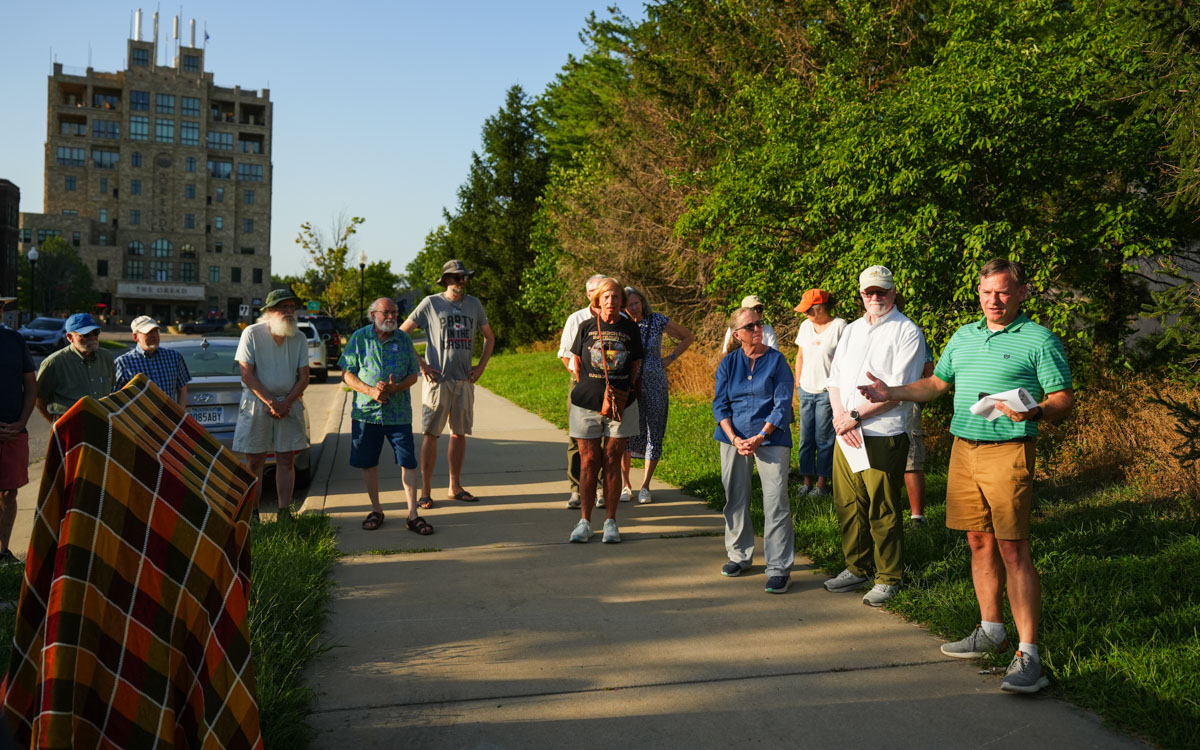
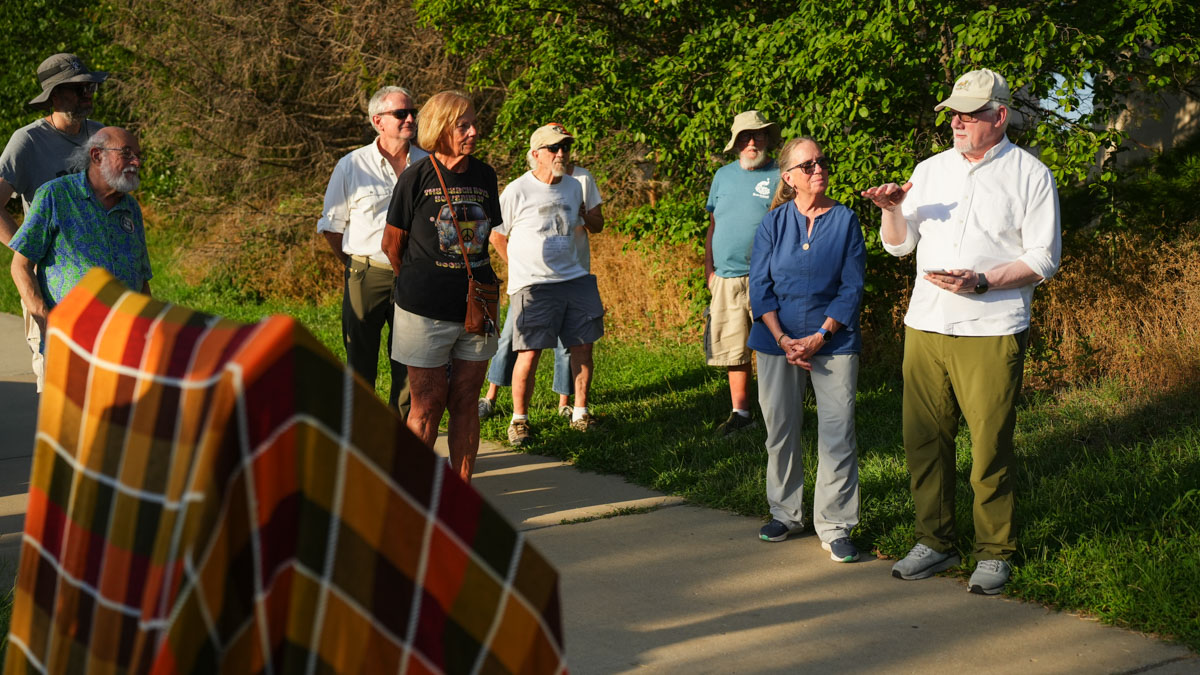
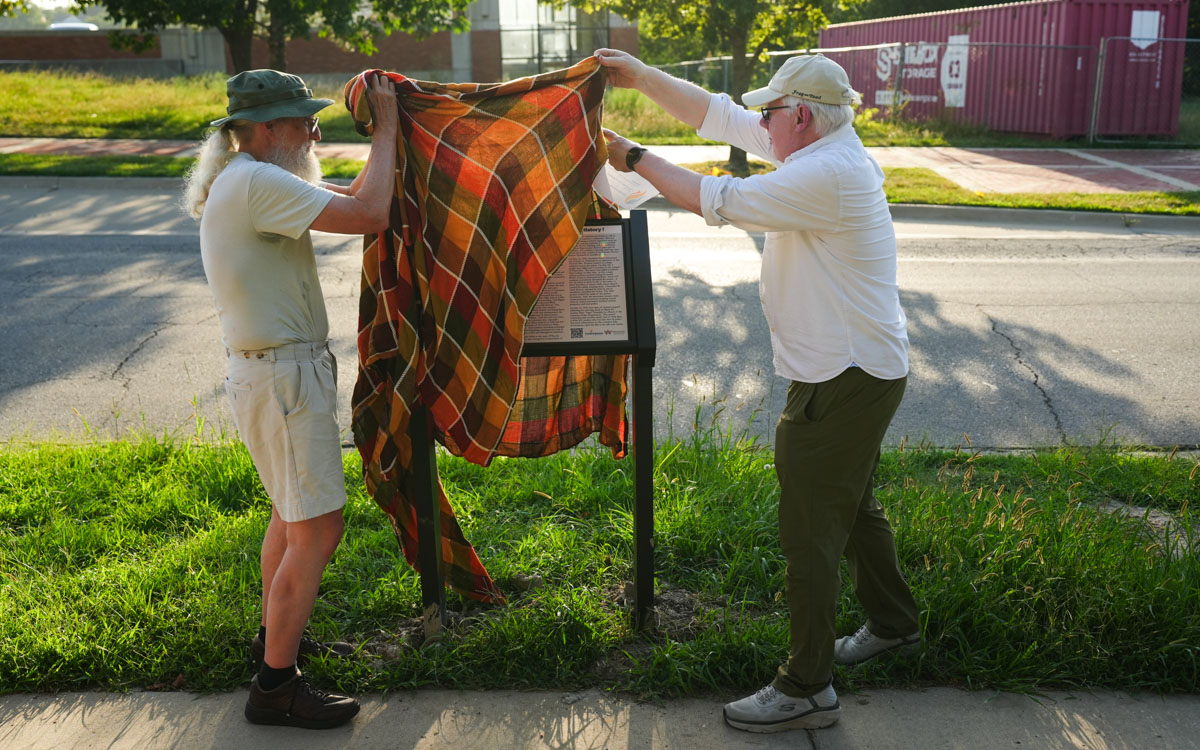
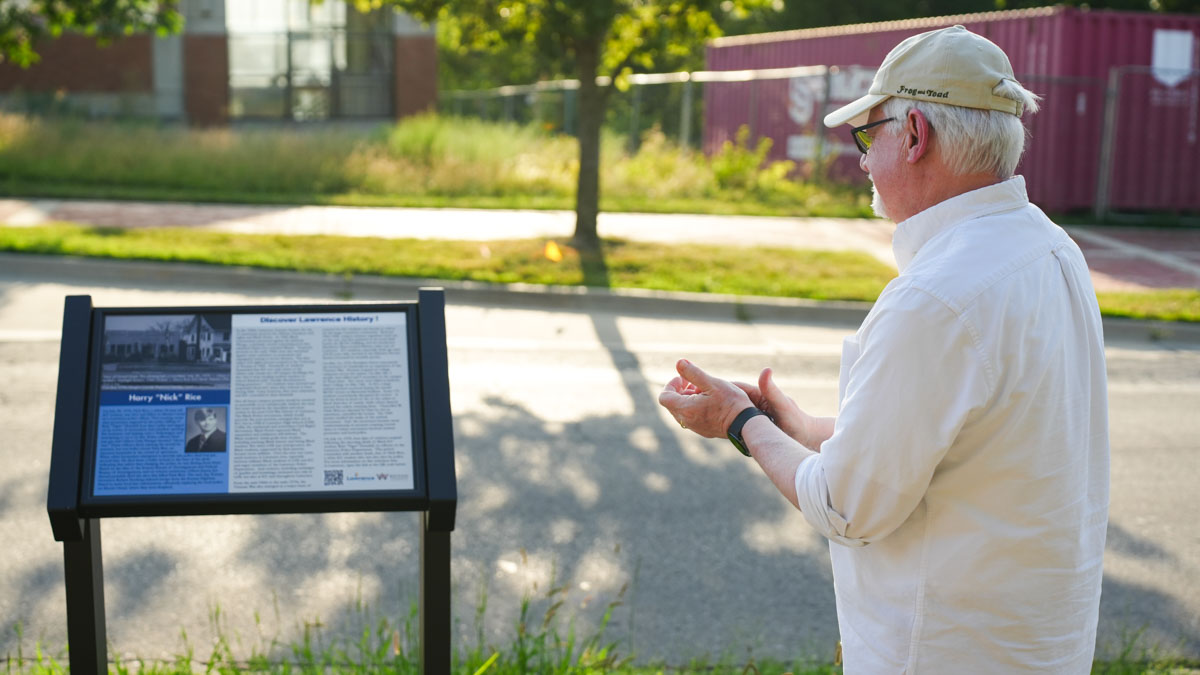
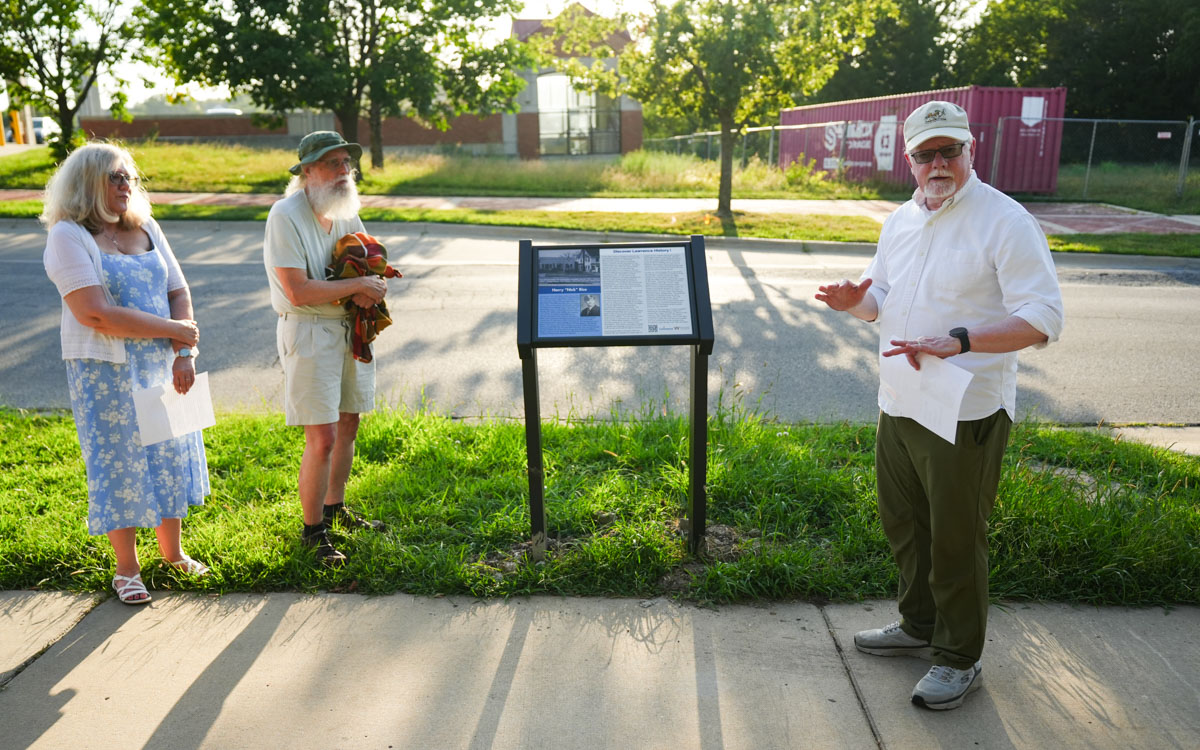
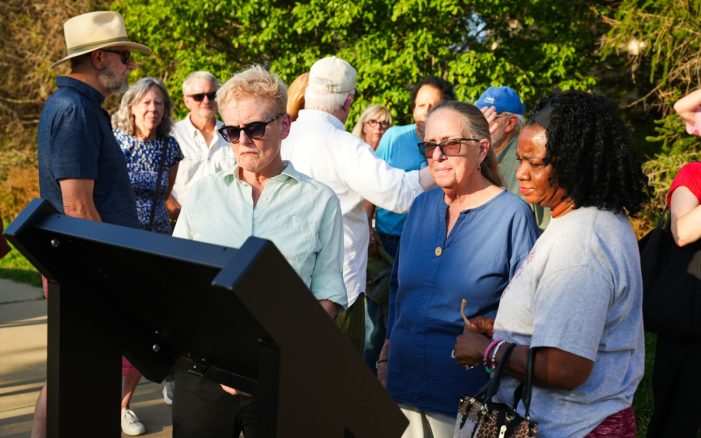
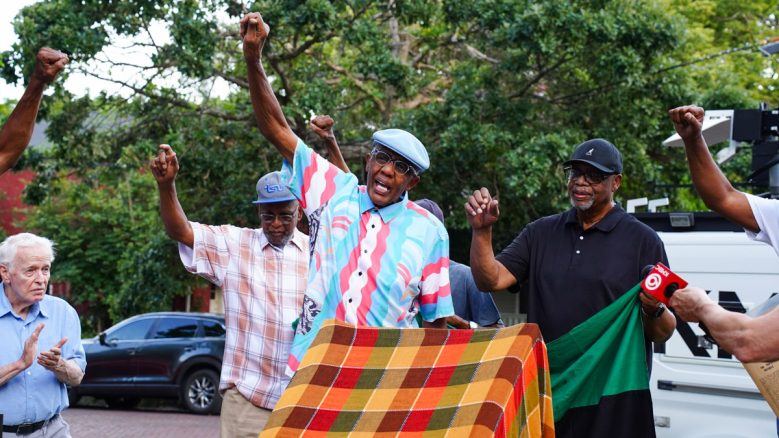
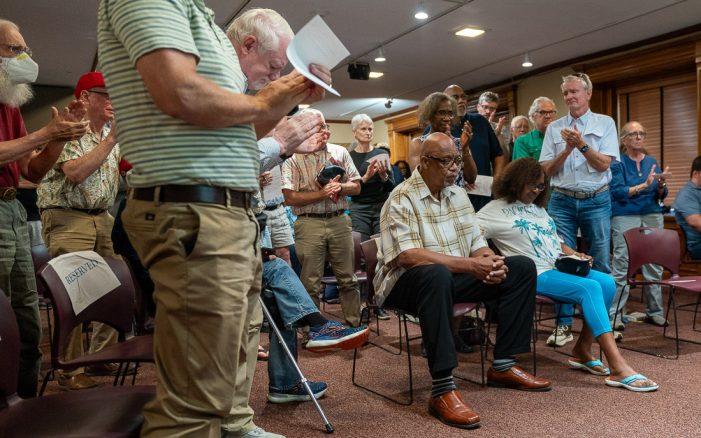
Nick’s family, city staff and community members came together Monday evening to unveil a historical marker at 1241 Oread Ave., across the street from the Mississippi Street parking garage near the Kansas Memorial Union.
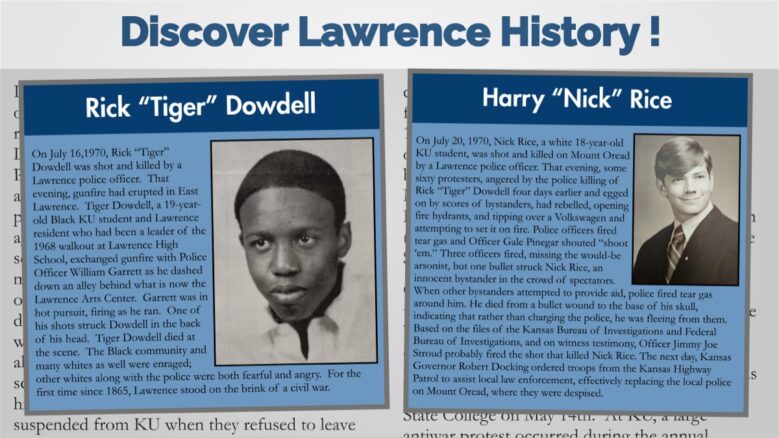
The marker names the officer who shot him, Jimmy Joe Stroud.
“This marker is not simply about remembering how Nick died, but of course it’s about remembering how he lived, who he was, the people who loved him,” said Lawrence Mayor Brad Finkeldei. “This invites all of us to pause to learn and to better understand this chapter and Lawrence’s history.”
Don’t miss a beat … Click here to sign up for our email newsletters
Click here to learn more about our newsletters first
The 18-year-old was gunned down four days after 19-year-old Rick “Tiger” Dowdell was shot and killed by Lawrence Police Officer William Garrett.
Dowdell’s killing brought Lawrence to the brink of civil war at the same time the University of Kansas campus ignited with protests against war in Vietnam and for civil rights.
Please support
The Lawrence Times!
Subscribe here.
Nick was caught in the crossfire as police unleashed tear gas in a sea of chaos that enveloped the Oread neighborhood on July 20, 1970. He had come to Lawrence to pay a parking ticket, but was shot in the back of the neck by Stroud, who was wielding a carbine rifle.
Nick’s brother, Chris Rice, first petitioned the city commission in 2020 to see Nick and Dowdell remembered.
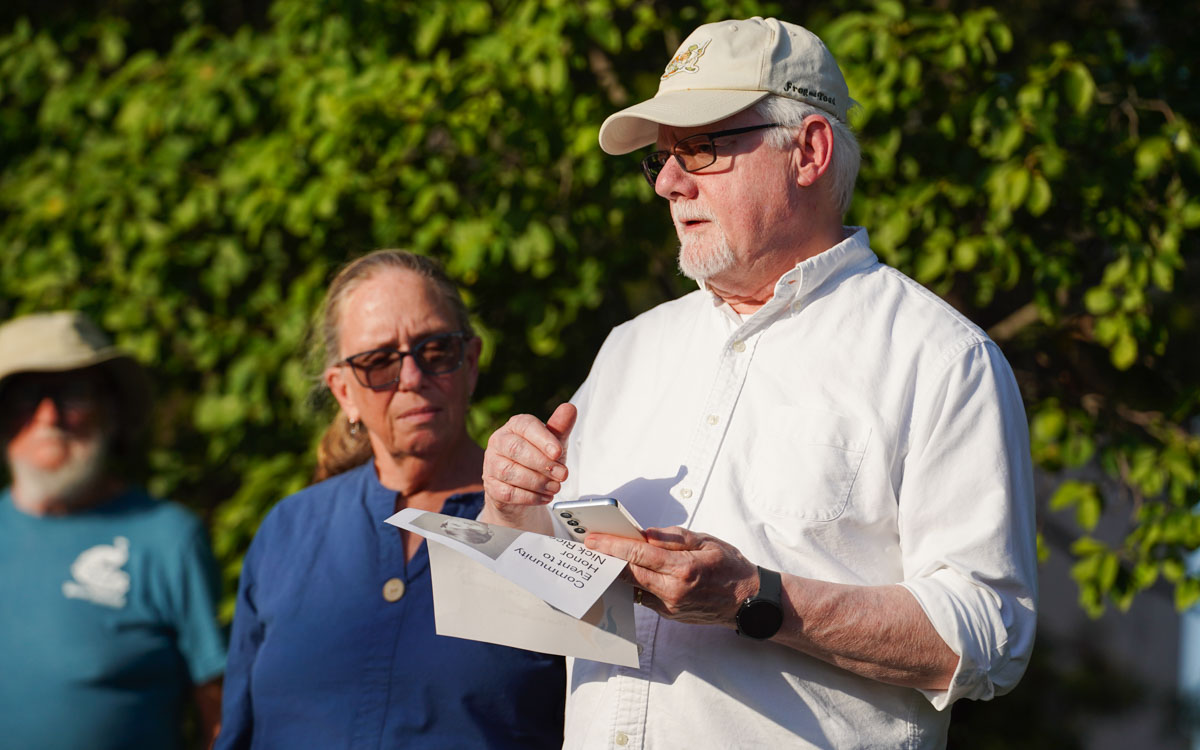
“We are here to memorialize Nick, a kind, funny, lively 18-year-old,” Chris said Monday night.
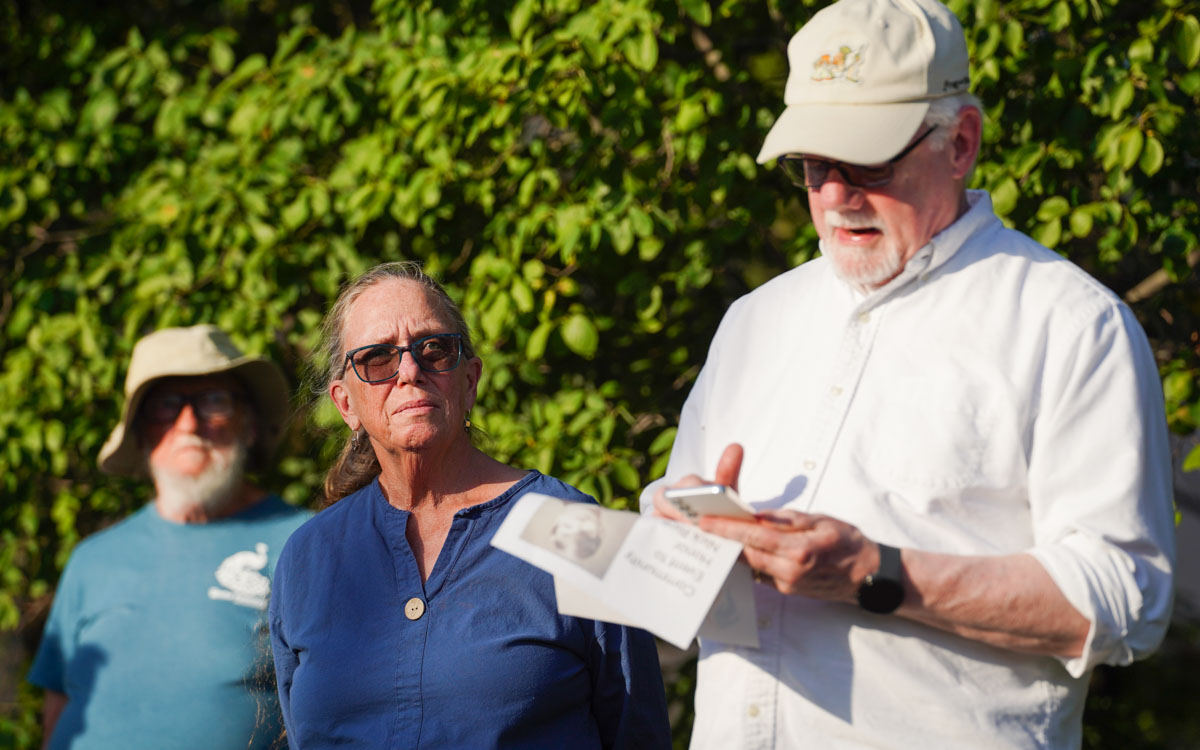
Chris shared snippets from the night his brother was killed — the fire chief in his hometown rang the doorbell over and over with the news before Chris and his father drove to Lawrence to identify Nick’s body.
“There were mistakes made by many folks that night, but it has taken over 50 years to get the truth,” he said. “Shooting into a crowd in those circumstances was a mistake, but the cover-up that followed was a bigger one.”
In the days and weeks following, the Lawrence Police Department and area officials launched a disinformation campaign, echoed broadly by the legacy newspaper in town, about Rice and the events of that evening. It sowed public doubt about police involvement in the teen’s death and propagated an impossible theory that Rice was shot by a mysterious sniper.
In February, current Police Chief Rich Lockhart asked city commissioners to delay marker production because he had “some concerns about the validity of some of the statements made on the marker” — in particular, that Stroud shot Nick. At the time, Zollner told him and city commissioners that the information was well-documented.
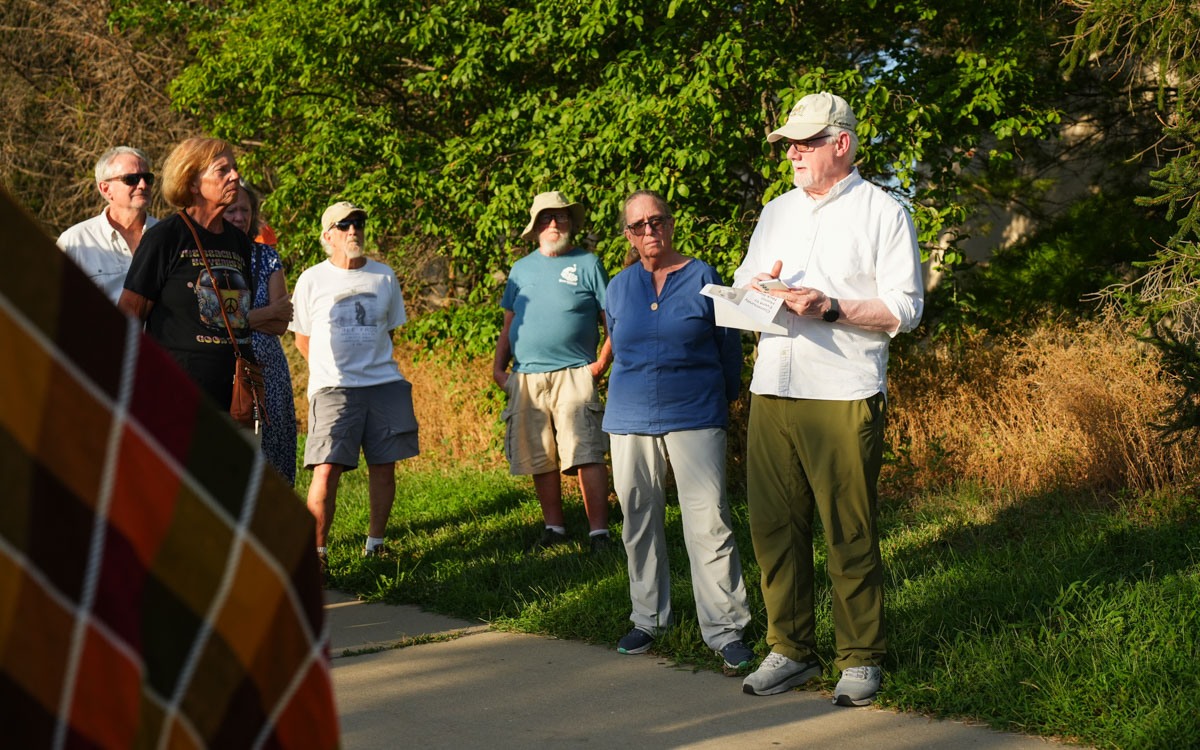
Chris said police had asked to search Nick’s car and apartment.
“My dad refused, realizing that the police were just looking for reasons to justify his death,” Chris said. “My dad was a smart man.”
Chris encouraged the crowd to read the Lawrence Times series “Who Killed Nick Rice?” to learn more about the journey to justice for his brother. Nick’s marker also has a QR code linking to a digital exhibition through the Watkins Museum of History. Chris wrote an article that will ultimately appear on that site.
The page will also include information about Dowdell’s story. The city and community unveiled his marker — next to the sidewalk on the northeast corner on the intersection of 10th and New Hampshire streets — on Thursday, July 16. (Read about that event in this article.)
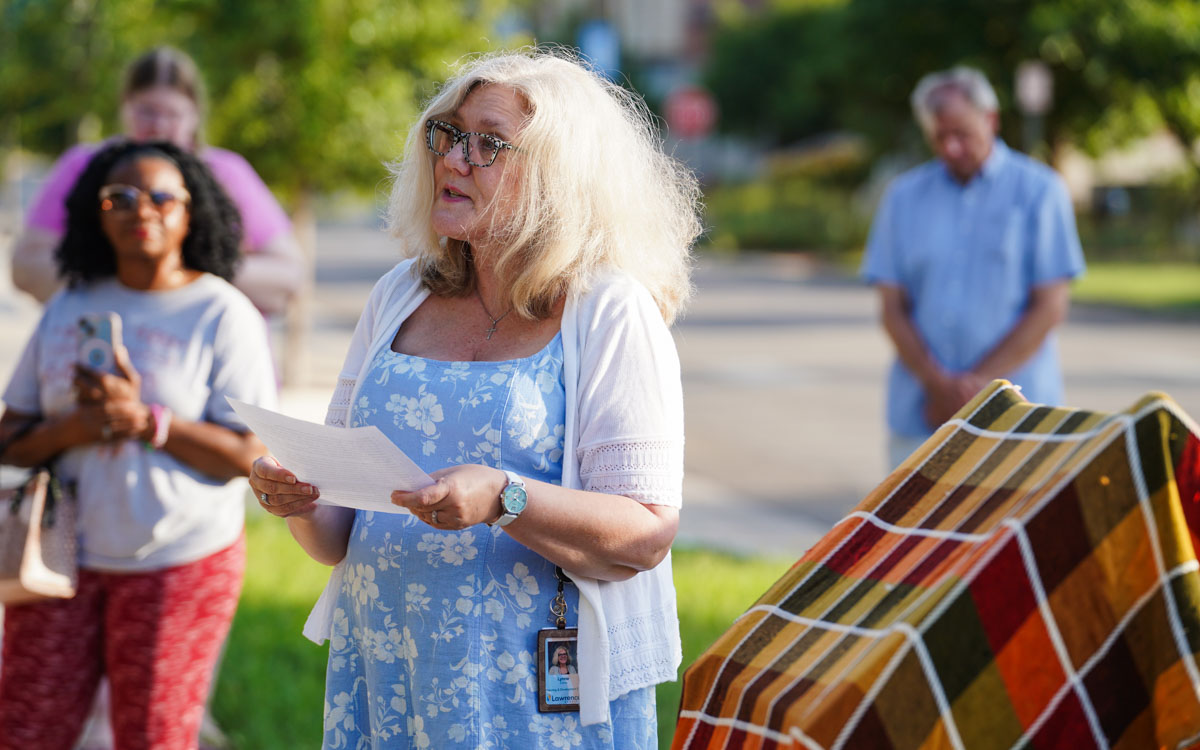
Lynne Braddock Zollner, historic resources administrator with the city, said installing markers for both of the men started a new chapter by closing an old one.
“Their deaths remain an important part of Lawrence’s history,” Zollner said, “and continue to shape the community conversations we have about justice, public safety, memory and the responsibility to tell our full history with care, honesty and compassion.”
Finkeldei said he’d gotten multiple emails from folks who didn’t know the history behind Nick’s murder. After the unveiling, Chris was approached by community members who said things to the same effect.
“No one has been held accountable to this day,” Chris said during the event. “It has taken courage for the city to erect these markers, and my deepest thanks to all those who participated in that effort and supported me in my journey to find the truth.”


Find out what’s really going on in your town. Read The Lawrence Times.
Don’t miss a beat — get the latest news from the Times delivered to your inbox:
Click here to learn more about our newsletters first

Wulfe Wulfemeyer (they/them), reporter and news editor, has worked with The Lawrence Times since May 2025. They can be reached at [email protected].
Read their complete bio here. Read their work for the Times here.

Jacob Rice (he/him), photo editor, has worked with The Lawrence Times since March 2026. He can be reached at [email protected].
Read his complete bio here. Check out his photography for the Times here. Read his articles for the Times at this link.
Related coverage:
 Jacob Rice / Lawrence Times
Teen shot by Lawrence police officer remembered as ‘funny, lively’ at marker unveiling
 Jacob Rice / Lawrence Times
 Nathan Kramer / Lawrence Times

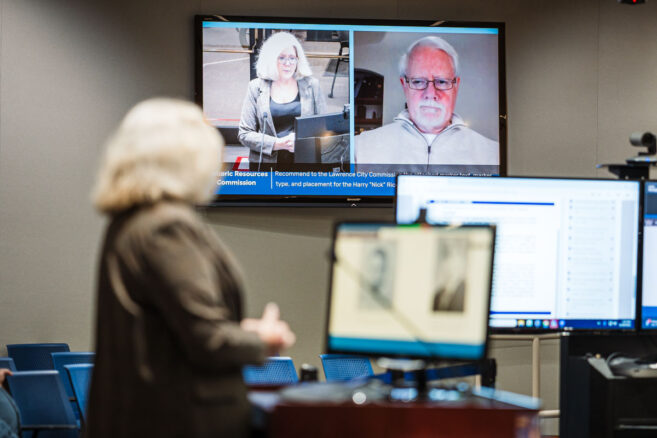
Lawrence Historic Resources Commission defers decision on markers memorializing Tiger Dowdell, Nick Rice
Nearly four years after the conversation began to memorialize two teenagers killed by Lawrence police in 1970, the Historic Resources Commission on Thursday deferred a decision on the design and language of markers that would be placed near the scenes of the killings.
 KU Libraries Exhibits
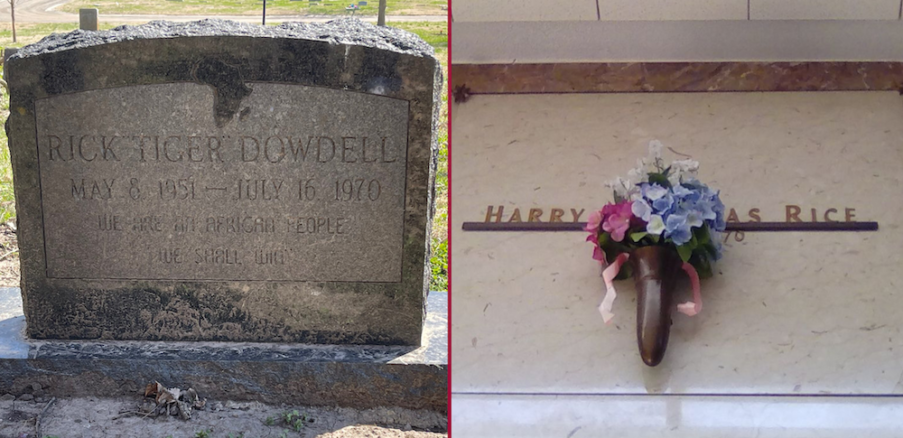
What’s the status of the historical markers for Nick Rice and Tiger Dowdell’s deaths?
In the nine months since the Lawrence City Commission unanimously approved creating historical markers to memorialize two teenagers killed by Lawrence police, the conversation on what those markers might look like, where they’ll be placed, and how much they’ll cost has mostly gone silent.